How-to
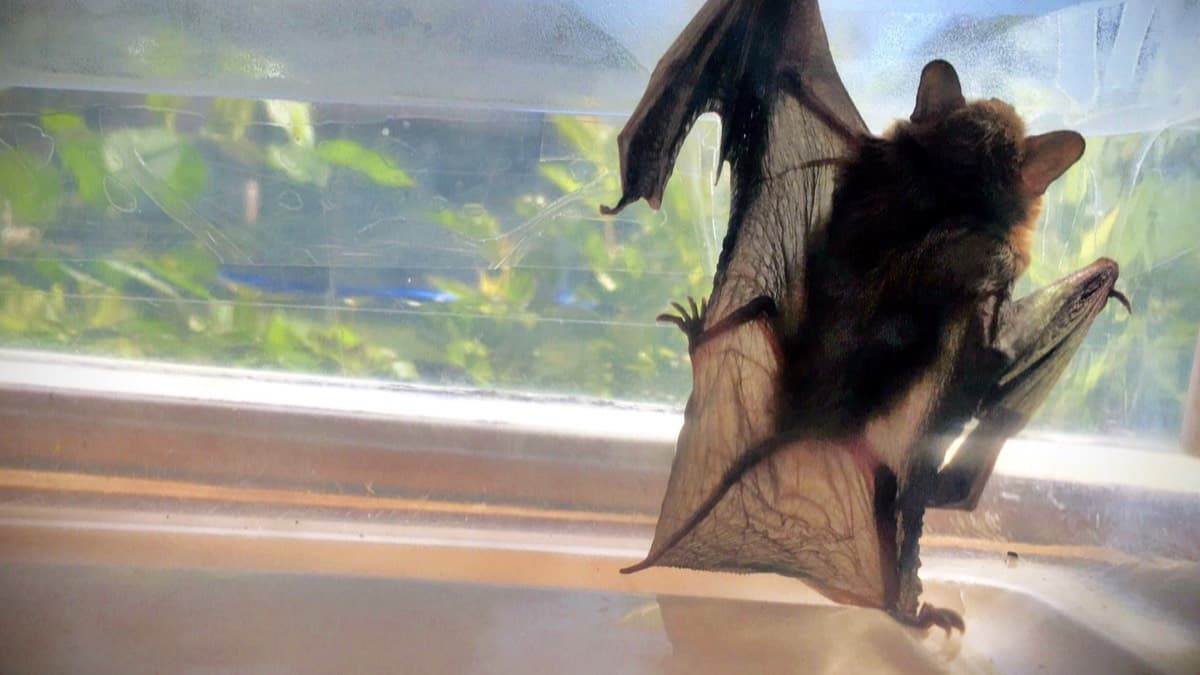
A bat in the house
Don't touch a bat that's inside, call animal control or the health department so it can be caught and tested for rabies, and close the gaps it used once the bats are gone.
Satisfy+ Editorial · Published June 10, 2026 · 3 min read · 20 min to do
At a glance
- First
- Don't touch it, and don't let it go yet
- Call
- Animal control or the health department
- Bitten or scratched
- Wash with soap and water, get medical help
- Gaps bats use
- As small as ¼ inch
In the United States, bats are the most commonly reported animals with rabies, and most people in the U.S. who die of rabies were exposed to a rabid bat. Not all bats carry it. A bat bite can be so small that you may not know you were bitten, so any contact matters.
A bat that's inside a home, on the ground, active during the day, unable to fly or easy to approach may be sick. So is one that has touched a person, since bats usually avoid people.
What you need
- A box or jar big enough to hold the bat
- A piece of cardboard larger than the opening
- Leather work gloves
- Tape
Steps
- 1
Keep your distance
Don't touch the bat.
1 min
- 2
Call animal control or the health department
They can catch the bat safely so it can be tested for rabies. Don't release it until you've talked with a public health expert.
5 min
- 3
If you're told to catch it, cover it with the container
Punch small air holes in the cardboard and put on the leather gloves. When the bat lands, approach slowly and set the box or jar over it.
5 min
- 4
Slide the cardboard underneath and tape it shut
Then call the health department to have the bat tested, and to find out whether anyone needs medical care. If you can't catch it safely, ask them what to do next.
2 min
- 5
Care for a bite or scratch right away
Wash the wound with soap and water and get medical help right away. If bat saliva gets into your eyes, nose, mouth or an open wound, see a health care professional urgently.
5 min
Deal with the bat safely
- Call animal control or the health department about the bat
- Check that every outside door closes tightly
Keeping bats out
Bats can get through openings as small as ¼ inch. Animal control or a wildlife conservation agency can bat-proof the house, including any openings up high. Some of the work can be done from the ground or indoors:
- Caulk any opening larger than a dime.
- Fill holes around electrical and plumbing lines with steel wool or caulk.
- Make sure every door to the outside closes tightly.
- Use draft guards to seal the attic door.
If bats are living in the house, watch at dusk to see where they leave and count how many there are. For an exit you can reach from the ground, loose plastic sheeting or bird netting hung over it lets the bats out but not back in. Seal the opening only once they've all left. Exits up high are a job for animal control or the wildlife agency. Most bats leave in fall or winter to migrate, which makes those the best seasons for bat-proofing. From May through August, young bats can be trapped inside. Some bats are endangered and may need special care.
Tell neighbors and visitors when you're bat-proofing, since it can mean more bats around for a while.
FAQ
What should I do if I find a bat in my house?
Don't touch it or let it go. Call animal control or the health department so it can be caught and tested for rabies.
Do all bats have rabies?
No, but bats are the most commonly reported animals with rabies in the U.S., so any contact needs a call to the health department.
When is the best time to bat-proof a house?
Fall or winter, after most bats have left to migrate. From May through August, young bats can be trapped inside.
Sources
Checked October 20, 2026
- Centers for Disease Control and Prevention. Rabies and bats (2025)
- Owner
- Tenant
- Free
- Either