Guide
A wet basement, from the gutters to the foundation
Trace where the water in a wet basement comes from, starting with the gutters and the grading outside, and know which fixes are yours and which need a pro.
Satisfy+ Editorial · Published September 16, 2026 · 2 min read
At a glance
- Start outside
- Gutters, downspouts and the slope of the yard
- Downspouts
- Water out 3 to 4 feet from the foundation
- Cracks
- Mortar, masonry caulk or hydraulic cement
- Wet materials
- Dried within 24 to 48 hours
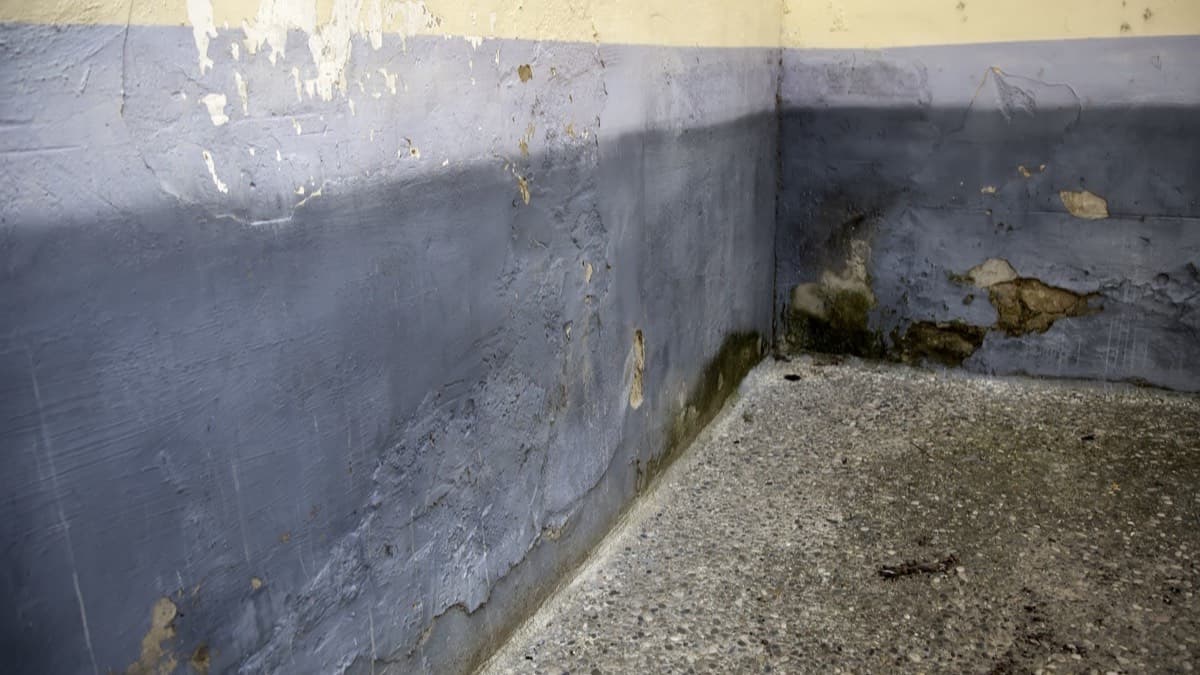
Rain from the roof or the yard that collects against the foundation can find its way into a basement. The first places to look are the gutters, the downspouts and the slope of the ground around the house. Inside, the work is sealing the cracks, keeping the drains clear and drying anything wet before mold starts.
Outside first
Watch how the water moves around the house during an ordinary rainstorm, since the trouble spots are often easy to see. Stormwater should always drain away from the building.
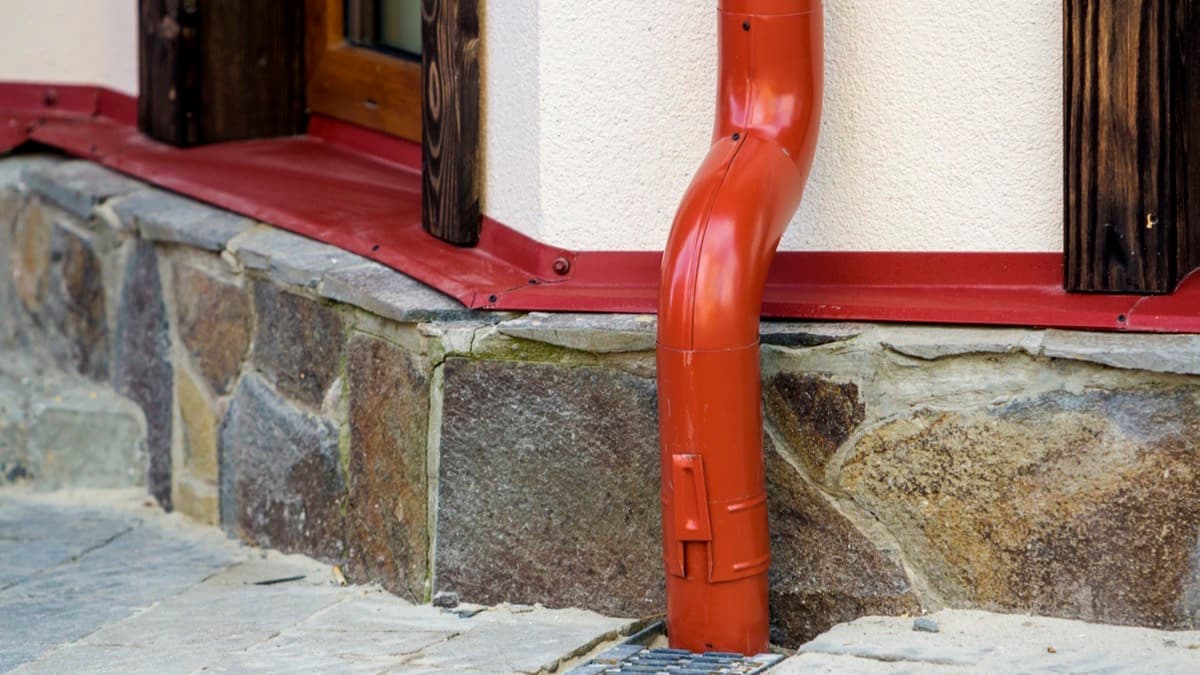
- Gutters and downspouts. Clogged gutters back up and spill water down the wall. The gutters should be strapped to the house, kept free of leaves and debris, and the downspouts should carry water at least 3 to 4 feet out from the foundation. Have them cleared and checked rather than working from a ladder.
- Grading. The yard should slope away from the house. Building up sunken spots along the foundation and shaping shallow channels can turn the water away.
- Hard surfaces. Rain runs off concrete and asphalt almost at once. Rain gardens, planted swales and pervious paving let more of it soak into the ground.
Inside
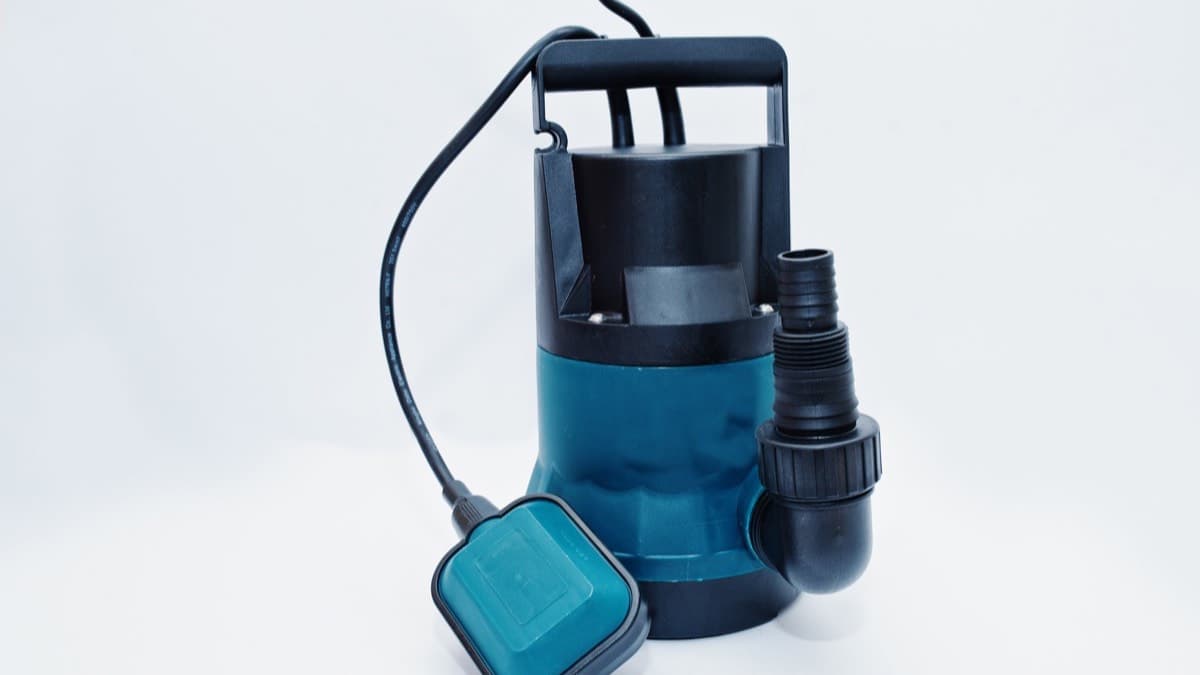
Close foundation cracks with mortar and masonry caulk or hydraulic cement, which expands to fill the gap. Coat basement walls with a waterproofing compound to stop seepage, and keep the floor drains clear. A sump pump draws groundwater from around the house and pipes it away, and one with a battery backup keeps working when the power fails. Backflow valves on the pipes coming into the house, installed by a licensed plumber, keep sewage from backing up through the floor drains.
Drying out
Mold grows where there's moisture, so fix the water first, then dry wet materials within 24 to 48 hours, which usually keeps mold from growing. Condensation on walls, windows or pipes can be a sign of high humidity, so dry it and find the source.
An annotated example
What to do next
During the next heavy rain, walk around the house and see where the water goes. Have the gutters cleared and the downspouts extended, and fix the grading where water pools against the wall. Then seal the cracks inside and dry anything wet within two days.
Find and stop the water in the basement
- Check the grading around the house after a heavy rain
- Have the gutters and downspouts cleared and checked
- Seal foundation cracks with hydraulic cement
- Dry any wet materials within 48 hours
FAQ
How far should downspouts carry water from the house?
At least 3 to 4 feet out from the foundation.
What should I use to seal a crack in a basement wall?
Mortar and masonry caulk, or hydraulic cement, which expands to fill the gap.
How fast do wet materials need to dry to prevent mold?
Within 24 to 48 hours.
Sources
Checked October 19, 2026
- Federal Emergency Management Agency. Protect your home from flooding: low-cost projects you can do yourself (2020)
- Insurance Institute for Business & Home Safety (insurer-funded). Thunderstorm ready home (2026)
- U.S. Environmental Protection Agency. A brief guide to mold, moisture and your home (2026)
- Exterior
- Foundation
- Owner
- Mold
- Flood