Explainer
Foundation cracks and which ones matter
Tell a hairline shrinkage crack from a horizontal, tapering or stepped crack, know what water stains and white powder around a crack mean, and when to call a structural engineer.
Satisfy+ Editorial · Published August 19, 2026 · 3 min read
At a glance
- Usually not a structural concern
- Hairline shrinkage cracks in poured concrete, with both sides flush
- Needs a structural engineer
- Horizontal or bowing cracks, and cracks that taper or keep widening
- White powder or water stains
- Water is coming through the crack
- Every crack
- Photograph it and recheck every six months
Poured concrete walls often crack as the concrete dries and shrinks. Those cracks are usually hairline and aren't a major structural concern, though they still need watching. Cracks that run sideways or open wide at one end are different. So are cracks that push one side of the wall out of line with the other. They point to the wall, or the soil around it, moving.
Hairline shrinkage cracks
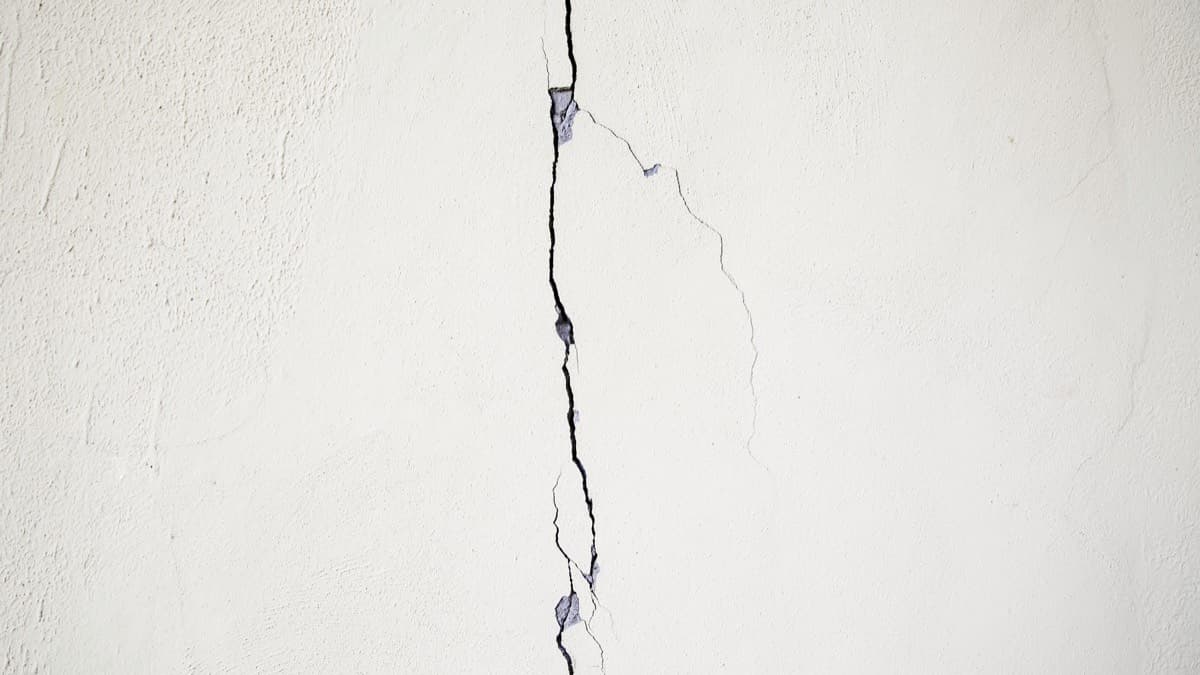
A shrinkage crack in a poured wall is thin, and the concrete on both sides of it sits in the same plane, with no step or bulge. It may be slightly more open at the top of the wall than at the bottom. These aren't a major structural concern, but they need monitoring, and any crack can let water in.
Horizontal and bowing cracks
Soil saturated with water can press on the outside of a foundation wall hard enough to bend it inward. The crack that results usually runs horizontally, opens wider than a hairline and shows signs of water coming through. Horizontal or sweeping cracks in brick and block walls can also come from improper backfilling, from heavy equipment or vehicles working close to the wall, or from wet soil swelling or freezing against it.
Tapering and stepped cracks
Settlement under a wall can produce a crack that starts wide at one end and narrows to a hairline at the other. In block and brick, these cracks most often appear at corners and next to windows and doors, and they usually follow a rough diagonal path along the mortar joints. Step cracks that start at the corners of an opening and meet in an upside-down V above it can mean the support over the opening has sagged.
Water through a crack
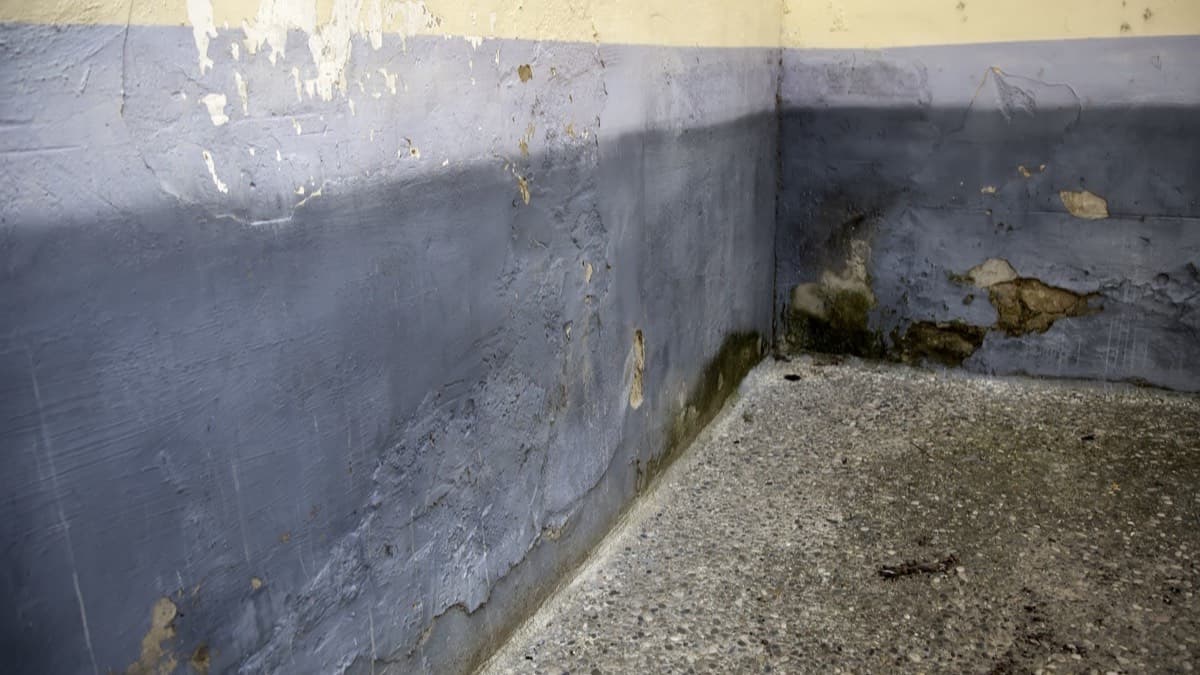
White powdery stains, called efflorescence, and a musty smell are signs that moisture is coming through the wall, whether or not the crack itself is structural.
An annotated example
What to do next
Photograph each crack next to a ruler, with the date, and compare the photos every six months to see whether any crack is growing. Have a structural engineer look at any crack that runs horizontally, tapers, is offset or bowing, or keeps widening. Where a crack shows white powder or water stains, have a professional find where the water is getting in.
Keep watch on the foundation cracks
- Photograph each foundation crack next to a ruler
- Book a structural engineer for a horizontal crack
FAQ
Are hairline cracks in a foundation normal?
Hairline shrinkage cracks in poured concrete are common and usually not a major structural concern, but they should be watched.
Which foundation cracks are serious?
Horizontal or bowing cracks, cracks that taper or are offset, and cracks that keep widening. Have a structural engineer look at them.
What does white powder on a basement wall mean?
It's efflorescence, a sign that moisture is coming through the wall.
Sources
Checked October 19, 2026
- International Association of Certified Home Inspectors (trade association). Visual inspection of concrete (2026)
- International Association of Certified Home Inspectors (trade association). Foundation crack from lateral movement and hydrostatic pressure (2026)
- International Association of Certified Home Inspectors (trade association). Inspecting foundation walls and piers (2013)
- Foundation
- Hire
- Owner