Explainer
How a furnace heats the house
Follow the air from the return grille through the burner, the blower and the supply ducts, tell an older natural-draft furnace from a condensing one, and keep it running well between tune-ups.
Satisfy+ Editorial · Published August 24, 2026 · 4 min read
At a glance
- How it works
- Heats air and blows it through ducts
- Fuels
- Natural gas, oil, propane or electricity
- Filter
- Clean or change it monthly, or as the maker says
- Tune-up
- An HVAC technician
A furnace is the most common way to heat a house in the United States. In a 2005 count, 65% of single-family homes had a central forced-air furnace, and more than two-thirds of those burned natural gas. Others run on oil, propane or electricity. The burner or electric element makes the heat, the ducts carry it through the house, and a thermostat controls it.
Following the air
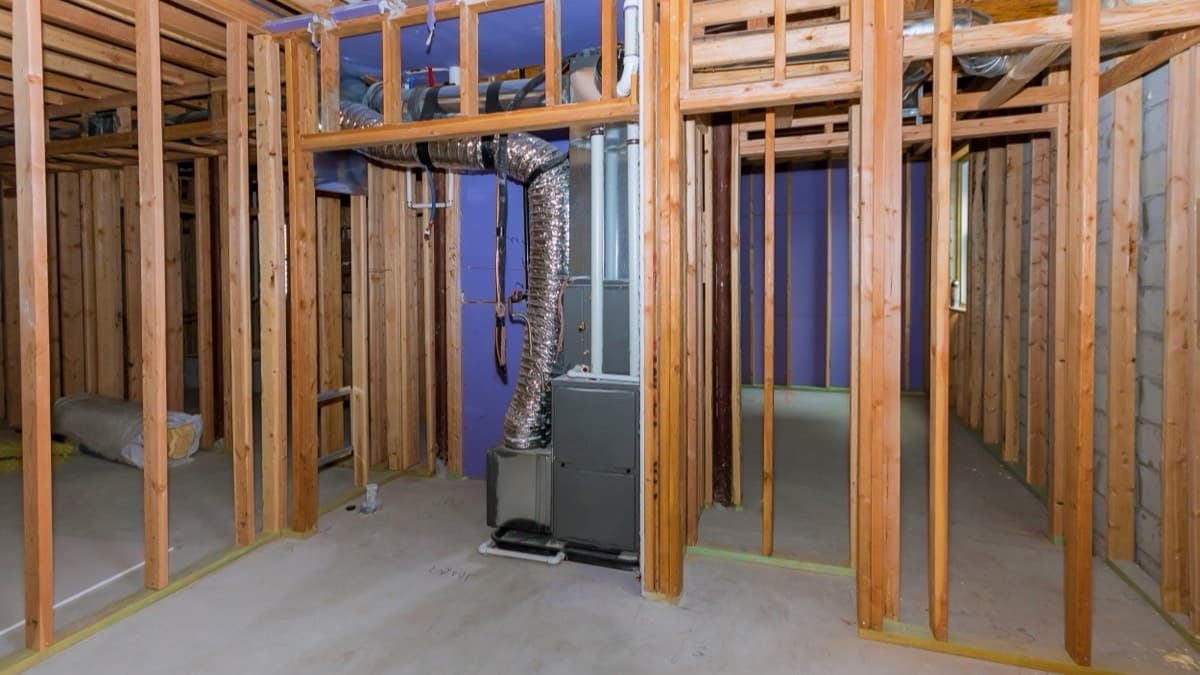
The burner sits in a cabinet called the air handler, along with a fan called the blower. The blower pushes heated air into the supply ducts, which carry it to registers in the rooms. Air from the rooms goes back through return grilles and return ducts to the furnace, where it passes through the filter, is heated again and is sent back out.
The ducts run through the attic, basement, crawl space, ceilings or the floors between stories. Leaky, poorly insulated ducts in an unheated attic or crawl space can lose 30% or more of the heat before it reaches a room. Rooms that never seem to warm up often trace to blocked registers, stuck dampers or disconnected ducts.
Telling what kind you have
How a furnace gets rid of its exhaust says a lot about its age and efficiency. Efficiency is rated by annual fuel utilization efficiency, or AFUE, the share of the fuel that becomes heat in the house. An AFUE of 90% means 90% of the fuel's energy heats the home and the other 10% escapes up the vent.
- Natural-draft furnaces. Older furnaces draw air from the room they're in and send their exhaust up a chimney using only its own buoyancy. Many have a draft hood on the vent pipe. A furnace with a standing pilot light was probably installed before 1992 and likely has an efficiency below 72%.
- Mid-efficiency furnaces. These have no draft hood. A small fan called a draft inducer pulls the exhaust through the furnace, which lowers the risk of exhaust spilling back into the house. They run at 80% to 82%.
- Condensing furnaces. These have a second heat exchanger that pulls heat out of the water vapor in the exhaust, for efficiencies of 90% to 98%. They're sealed, with their own vent pipe to the outside and usually a second pipe bringing outside air in.
A natural-draft chimney can fail to carry the exhaust out because of a blockage, wind, or a house that pulls more air out than it lets in. A powerful new range hood or a lot of air sealing can cause that, and exhaust can then spill back into the house. A certified energy contractor runs combustion safety tests as part of any furnace repair or air-sealing job to check that the furnace vents properly.
Keeping it running well
A furnace that isn't maintained can run well below its rated efficiency.
- Clean or replace the filter once a month, or as the maker recommends.
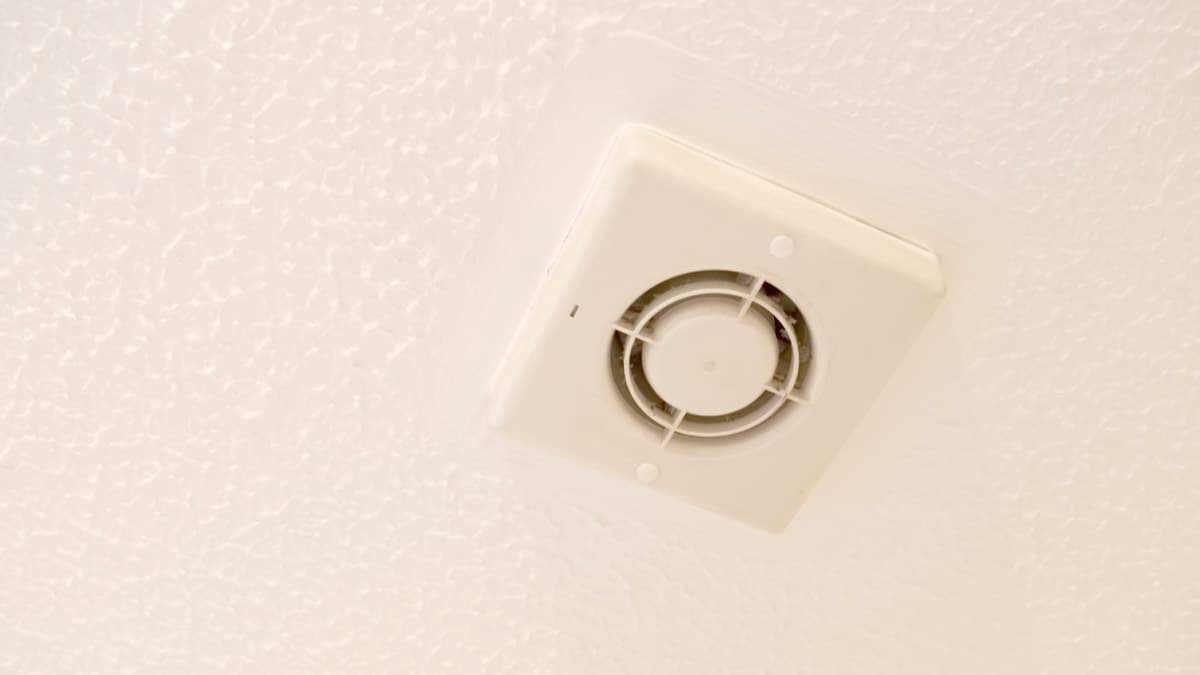
- Keep warm-air registers and return grilles clean and clear of furniture, carpet and drapes.
- Have an HVAC technician tune it up. A tune-up tests for exhaust spilling into the house, checks the vent and chimney, looks for cracks in the heat exchanger, and cleans out dirt, soot and corrosion.
An annotated example
What to do next
Look at the vent pipe to see whether yours is a natural-draft, mid-efficiency or condensing furnace, and check the filter. Keep the registers and returns clear, and book a tune-up with an HVAC technician. How to change a furnace filter walks through the filter, and What a furnace tune-up should include covers the visit.
Keep the furnace running well
- Check the furnace filter and clean or change it
- Clear furniture and rugs off the registers and returns
- Book a furnace tune-up with an HVAC technician
FAQ
How does a forced-air furnace work?
A burner or electric element heats air in the air handler, and a blower pushes it through supply ducts to the rooms. Return ducts bring the air back through the filter to be heated again.
How can I tell if my furnace is high efficiency?
A condensing furnace has its own sealed vent pipe to the outside and usually a second pipe for outside air. A standing pilot light or a draft hood into the chimney points to an older, lower-efficiency furnace.
How often should I change the furnace filter?
Clean or replace it once a month, or as the furnace maker recommends.
Sources
Checked October 20, 2026
- Pacific Northwest National Laboratory and Oak Ridge National Laboratory, for the U.S. Department of Energy. Energy renovations, HVAC: a guide for contractors to share with homeowners (2011)
- U.S. Department of Energy. Energy Saver: Tips on saving money and energy in your home (2022)
- HVAC
- Owner
- Either