How-to
Doing laundry with less energy and water
Wash full loads in cold water, use the high spin, dry on low heat with the moisture sensor, and clean the lint filter after every load.
Satisfy+ Editorial · Published September 30, 2026 · 3 min read · 16 min to do · Free
At a glance
- Water heating
- About 90% of a washer's energy
- Hot to warm
- Cuts a load's energy use in half
- Loads
- Full ones, since a washer uses the same energy either way
- Lint filter
- Cleaned after every load
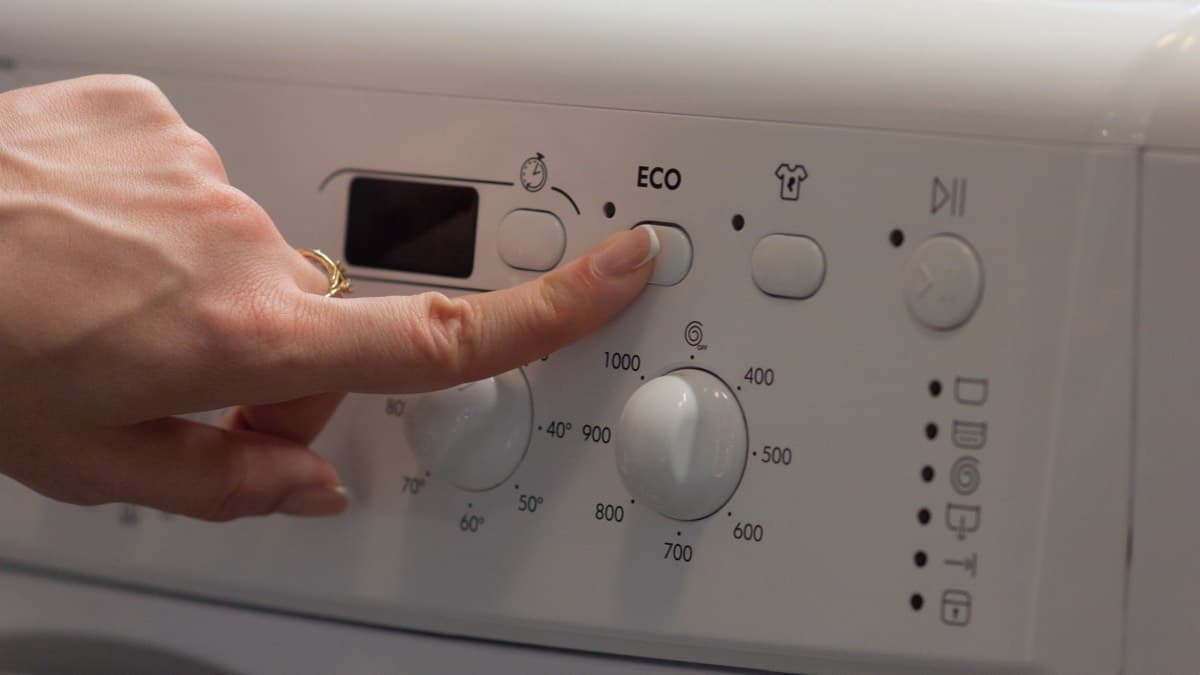
Clothes washers and dryers are some of the biggest energy users of any home appliance. Most of a washer's energy goes to heating water, about 90 percent of it, so the temperature setting matters most. Switching from hot to warm cuts a load's energy use in half, and cold saves more.
What you need
- The washer and dryer manuals
- A drying rack or clothesline, if you have room
- A soft toothbrush, if you use dryer sheets
Steps
- 1
Wash in cold
Cold water generally cleans well unless you're dealing with oily stains. Cold-water detergents help. Use a high-efficiency (HE) detergent if the washer's maker calls for it. Switch to hot for a while when someone in the house is sick.
1 min
- 2
Skip the sanitary cycle
This very hot cycle on some washers uses much more energy. Save it for when it's needed.
1 min
- 3
Fill the washer
A washer uses about the same energy whatever the load size, so run full loads. For a small load, set the water level to match.
2 min
- 4
Use the high spin
Choose the high or extended spin setting. Wringing out more water shortens the drying time.
1 min
- 5
Air-dry when you can
A drying rack or clothesline saves the dryer's energy and makes clothes last longer.
5 min
- 6
Dry on lower heat with the sensor
Use a lower heat setting even if the cycle runs longer. A dryer with a moisture sensor stops when the clothes are dry. Dry towels and heavy cottons apart from lighter clothes. A cool-down cycle finishes the load with the heat left in the drum.
1 min
- 7
Size the dryer load
An overstuffed dryer takes longer, and so does a tiny load. Drying one towel for 30 minutes costs about as much as a full load for the same time.
1 min
- 8
Clean the lint filter
Clean it after every load to keep the air moving, which also lowers the fire risk. If you use dryer sheets, scrub the filter with a toothbrush once a month, since the sheets leave a film that cuts airflow.
1 min
- 9
Leave a front-loader's door open
Leave it ajar for an hour or two after a wash so moisture can dry out of the seal, and keep children from climbing in.
1 min
- 10
Check the dryer vent
Make sure the vent isn't blocked.
2 min
Cut the laundry's energy use
- Set the washer's default temperature to cold
- Clean the dryer lint filter after every load
- Clean the lint filter with a toothbrush
Keeping the machines working
Follow the maintenance in the washer's manual. Some makers call for a regular cleaning cycle with bleach to keep mold and mildew down. Now and then, run the long nozzle of a vacuum cleaner into the lint filter slot to clear lint the filter missed. Rigid vent pipe is less likely than a plastic one to collapse and block the airflow. For the full dryer safety routine, see Dryer fire safety checklist.
FAQ
Does washing in cold water save energy?
Yes. Heating water takes about 90 percent of a washer's energy. Switching from hot to warm cuts a load's energy use in half, and cold saves more.
Is it cheaper to run full loads of laundry?
For the washer, yes. It uses about the same energy whatever the load size.
How often should I clean the dryer lint filter?
After every load. If you use dryer sheets, also scrub it with a toothbrush once a month.
Sources
Checked October 20, 2026
- ENERGY STAR. Clothes washers (2026)
- ENERGY STAR. Clothes dryers (2026)
- U.S. Department of Energy, Energy Saver. Energy Saver guide, tips on saving money and energy in your home (2022)
- Appliances
- Owner
- Tenant
- Free
- Budget
- DIY