Guide
Which energy upgrades to do first
Start with an energy audit, then seal the air leaks, add insulation and seal the ducts, leaving new equipment for when the old equipment wears out.
Satisfy+ Editorial · Published July 20, 2026 · 2 min read
At a glance
- First
- An energy audit
- Then
- Air sealing, 10 to 20 percent off heating and cooling
- Then
- Insulation and duct sealing
- At replacement time
- Efficient heating, cooling and water heating
Nearly half the energy used in a home goes to heating and cooling. Work on it in order: measure the house, stop the air leaks, then insulate and fix the ducts. Equipment comes last, at replacement time. Sealing comes before insulation, because insulation works best when air isn't moving through it.
1. Measure the house
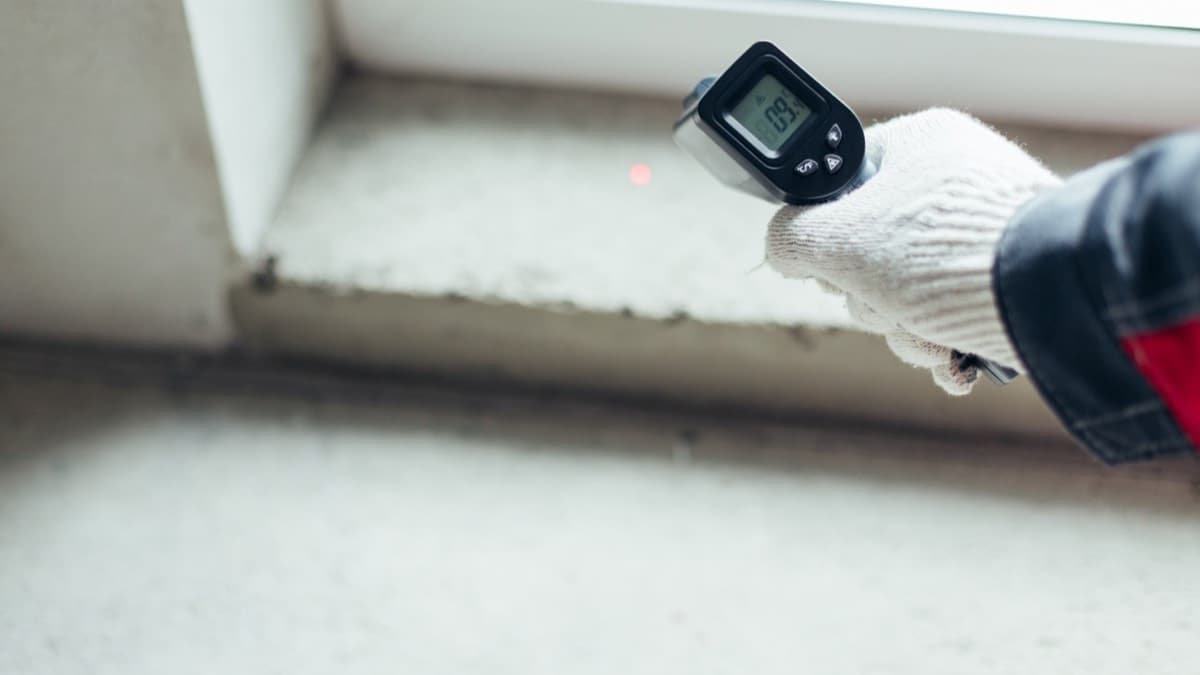
A home energy audit comes first. A certified auditor tests the house, then lists the improvements it needs in order of priority.
2. Seal the air leaks
Air leaks are among the biggest sources of wasted energy in a home. Sealing them can save 10 to 20 percent on heating and cooling bills. Drafts at windows and doors are easy to find, but the holes hidden in attics, basements and crawl spaces are usually the bigger problem. Those are contractor work.
3. Insulate after sealing
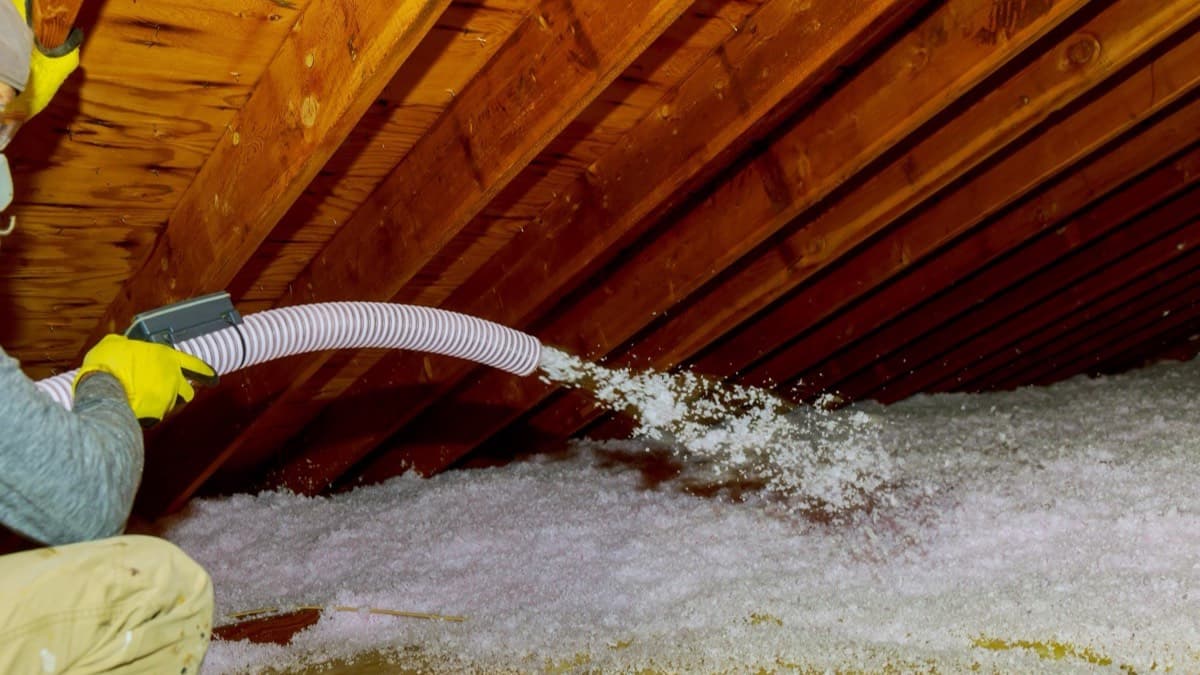
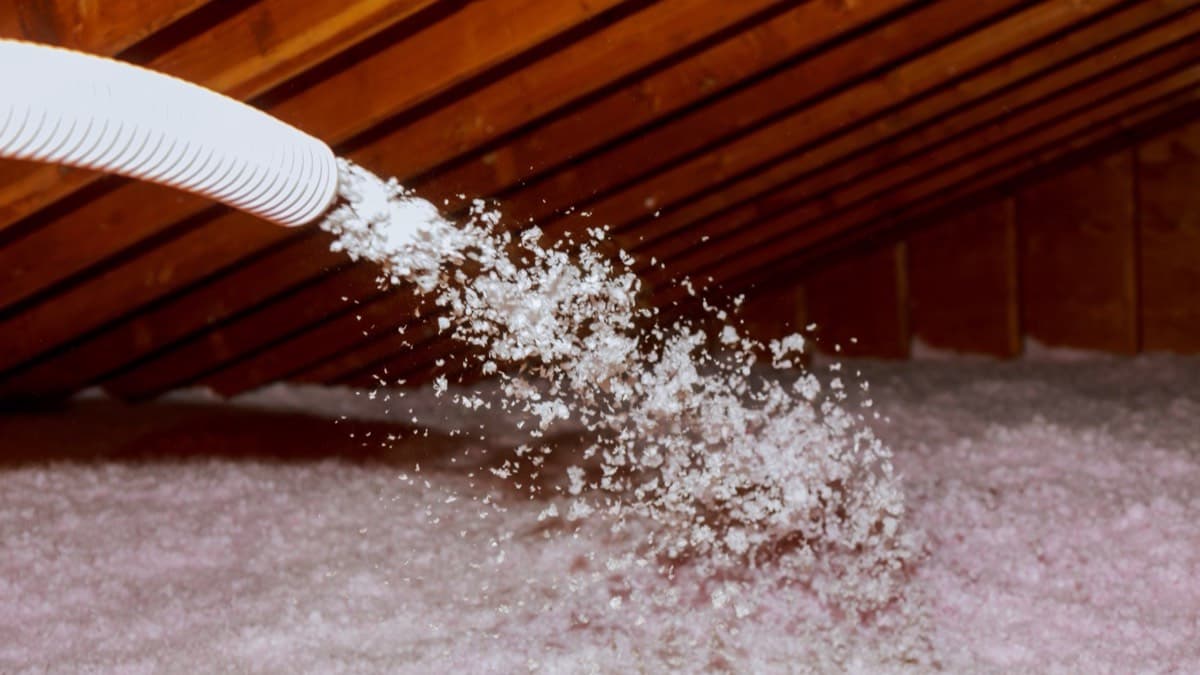
The attic is usually the easiest place to add insulation. Sealing and insulating the attic, the floors over crawl spaces and the basement saves an average of 15 percent on heating and cooling costs. About 9 out of 10 American homes are under-insulated.
4. Seal the ducts
Sealing and insulating ducts can improve a heating and cooling system's efficiency by as much as 20 percent. The ducts in the attic, crawl space, unheated basement and garage come first.
5. Set the thermostat
Turning the thermostat back 7 to 10 degrees for 8 hours a day can save as much as 10 percent a year. A programmable or smart thermostat does it on a schedule.
6. Equipment at replacement time
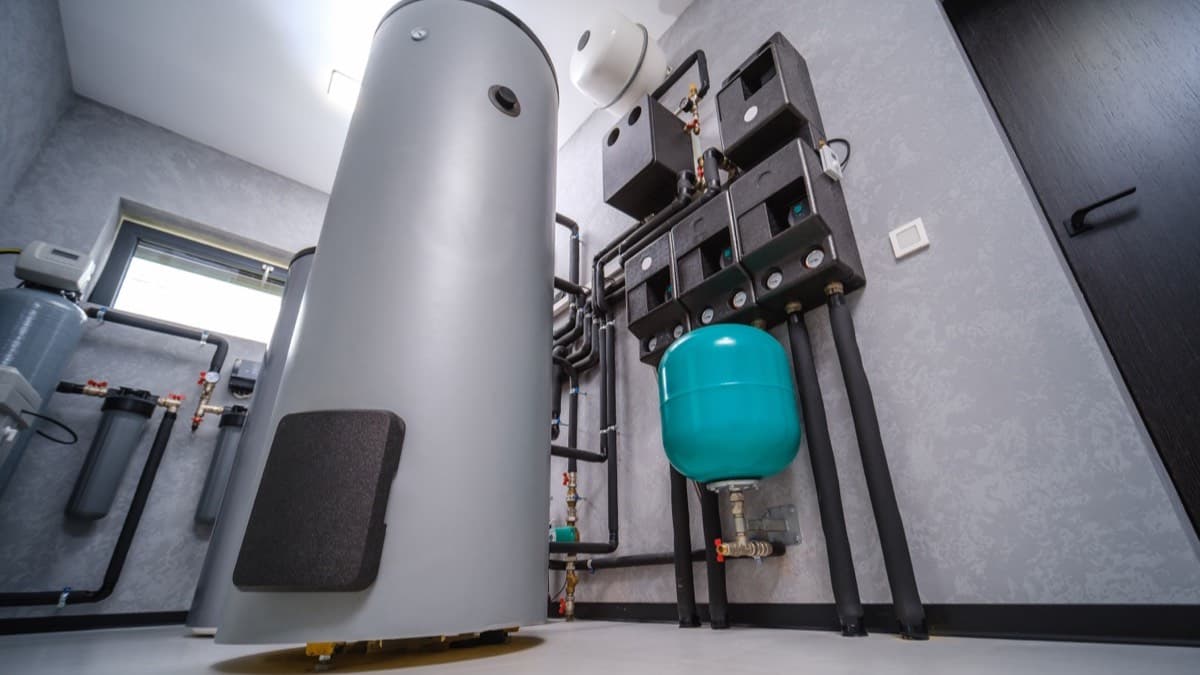
Big air leaks and leaky ducts are sometimes the real problem behind a system that seems worn out. New equipment alone can cut heating and cooling energy use by 20 percent or more. Combined with insulation, air sealing and thermostat settings, the savings can reach about 30 percent.
The ENERGY STAR Home Upgrade groups six improvements made to work together. They are heat pump heating and cooling, a sealed and insulated attic, a heat pump water heater, and windows or storm windows. The last two are a smart thermostat and electrical work that readies the house for more electric equipment. You can pick the ones that fit your house and do them over time.
An annotated example
What to do next
Book an energy audit, and ask your utility first about rebates on one. Write down the age of the furnace, air conditioner and water heater, so the replacement step is planned rather than forced by a breakdown. Keep the audit report with your home records.
Plan the house's energy upgrades
- Book a home energy audit
- Get an estimate for attic air sealing and insulation
- Note the age of the heating, cooling and water heater
FAQ
Should I insulate or air seal first?
Seal first. Insulation works best when air isn't moving through or around it.
How much can air sealing save?
10 to 20 percent on heating and cooling bills.
Sources
Checked October 19, 2026
- U.S. Department of Energy. Energy Saver: Tips on saving money and energy in your home (2022)
- U.S. Environmental Protection Agency, ENERGY STAR. A guide to energy-efficient heating and cooling (2009)
- ENERGY STAR. Heat and cool efficiently (2026)
- ENERGY STAR. Why seal and insulate? (2026)
- ENERGY STAR. ENERGY STAR Home Upgrade (2026)
- HVAC
- Owner
- Insulation
- Budget