Explainer
Smart thermostats, what they do and what they save
Learn what a smart thermostat does, what it saves on heating and cooling, and what decides whether it works with your system.
Satisfy+ Editorial · Published September 10, 2026 · 3 min read
At a glance
- What it is
- A Wi-Fi thermostat that adjusts itself
- Average savings
- About 8% of heating and cooling, or $50 a year
- More savings
- Big seasonal swings, empty days
- Less
- A home that's always occupied
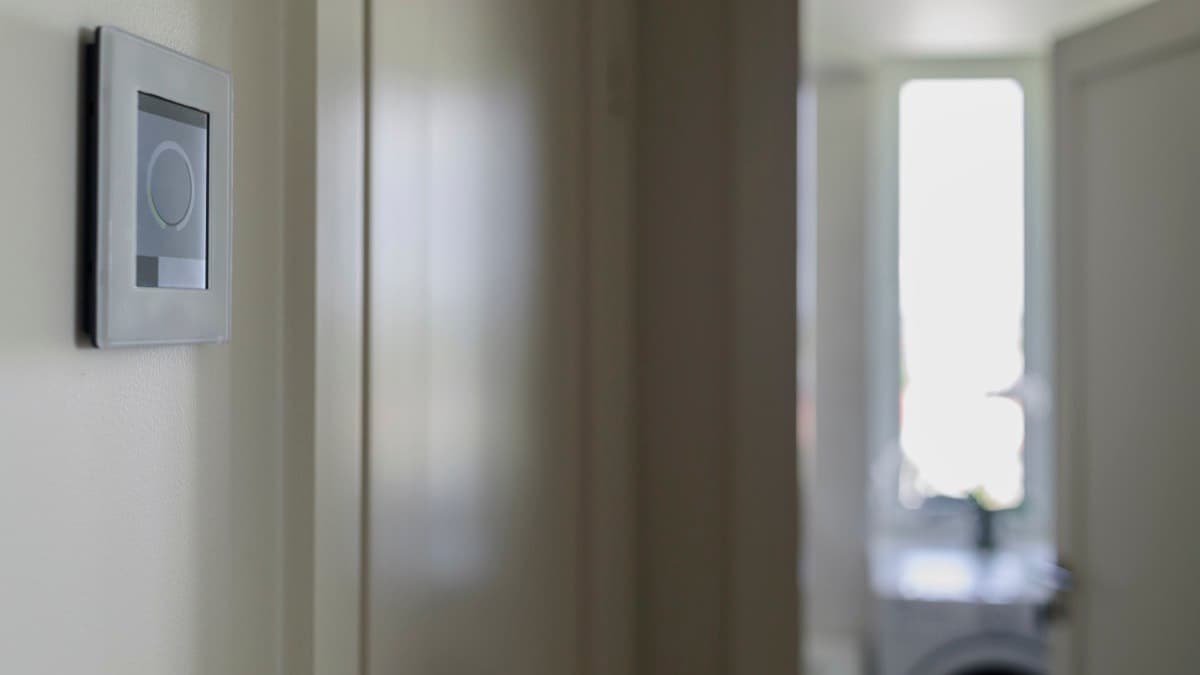
A smart thermostat is a Wi-Fi thermostat that adjusts the heating and cooling settings on its own. Heating and cooling take almost half of the average household's energy bill, more than $900 a year. The savings come from cutting how long the heating and cooling equipment runs.
What it does
- A schedule it learns. Many learn your temperature preferences and set a schedule that moves to energy-saving temperatures while you sleep or are away.
- Geofencing. It can tell when you've left and set the system back, then tell when you're heading home and bring the temperature back up.
- Phone control. You can change the temperature from anywhere with an internet connection.
- Use data. It reports how the equipment runs and the temperatures it holds.
- Updates. It may update its software with newer energy-saving features.
What it saves
A certified smart thermostat saves about 8 percent of heating and cooling bills on average, or about $50 a year. Homes with high heating and cooling bills can save up to $100 a year. To earn the ENERGY STAR label, a model has to show savings from a year of data in sample homes across the country, checked by a third-party certification body.
What moves the number
Climate, your comfort settings, how often the house is empty and the heating and cooling equipment all change the savings.
- Big seasonal swings. Homes with extreme temperature changes over the year generally save more.
- Mild climates. These usually spend less on heating and cooling, so savings run slightly lower.
- Someone always home. A home that's always occupied saves less, whatever the climate.
- Variable-speed equipment. A variable capacity heat pump or air conditioner generally works best with the thermostat its maker recommends, certified or not.
Compatibility and connection
A smart thermostat has to be compatible with your heating and cooling system. The very highest efficiency equipment, such as an air conditioner rated 20 SEER or higher, may need a controller from the same company. The thermostat should be reasonably close to the Wi-Fi router so it doesn't drop the connection, and a range extender helps when it's too far. Certified models can work with utility demand response programs.
A new thermostat is wired into the heating and cooling system, so the install is a job for an HVAC technician or an electrician.
An annotated example
What to do next
Write down the make and model of the furnace, heat pump or air conditioner, and check how far the thermostat is from the router. Thermostat settings that cut the bill covers the schedule itself, smart or not.
Look into a smart thermostat
- Note the make and model of the heating and cooling system
- Check how far the thermostat sits from the Wi-Fi router
FAQ
How much does a smart thermostat save?
About 8 percent of heating and cooling bills on average, or about $50 a year.
Who saves the most?
Homes with extreme temperature changes over the year generally save more, and homes that are always occupied save less.
Sources
Checked October 19, 2026
- ENERGY STAR. Smart thermostats (2026)
- ENERGY STAR. Smart thermostats FAQs (2026)
- ENERGY STAR. Smart thermostats (2026)
- HVAC
- Owner
- Budget