Explainer
A home energy audit and what it finds
Learn what a home energy auditor tests, what the visit produces and how to book one.
Satisfy+ Editorial · Published August 10, 2026 · 2 min read
At a glance
- Quick audit
- About an hour
- Thorough audit
- About four hours, with test equipment
- Typical tests
- Air leakage, duct leakage, an infrared scan
- What you get
- A ranked list of improvements
A home energy audit is the first step toward making a home more efficient. A certified auditor looks at how the house uses energy and where it loses it, then identifies and ranks the improvements.
Audits vary in depth. Some take about an hour. A thorough one takes about four hours, uses specialized equipment and costs more.
What the auditor tests
A thorough audit uses diagnostic tests:
- A house air leakage test. A blower door is a large fan that pulls air out of the house. As it runs, a technician measures how tight the house is and finds the leaks.
- A duct leakage test on the heating and cooling ducts.
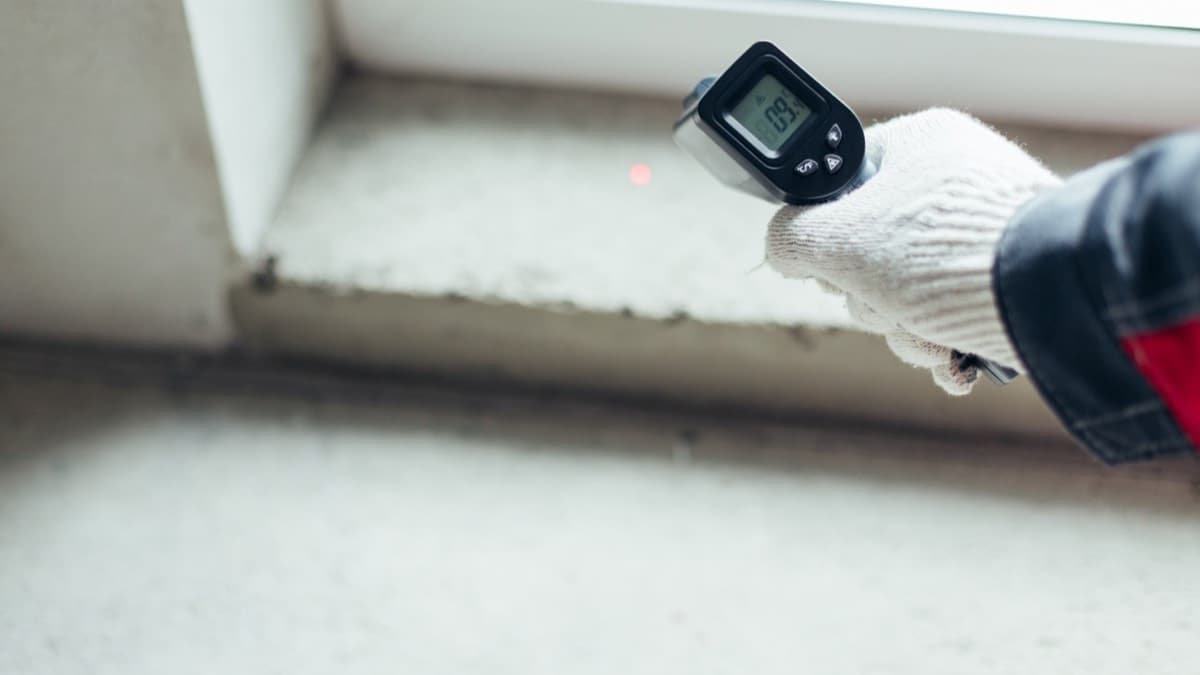
- An infrared scan of the house.
The auditor also interviews you about the house, runs safety tests, inspects the heating and cooling equipment and the insulation, and looks for mold and moisture.
The three steps
A full audit has three steps:
- Test in. The auditor measures the house as it is.
- Improvements. Qualified contractors install the recommended work.
- Test out. The auditor measures again to confirm the work did what it should. Not every auditor offers this, so ask.
Who does audits
Auditors are certified through Home Performance with ENERGY STAR, the Residential Energy Services Network (RESNET) and the Building Performance Institute (BPI). Some utilities offer audits too. A professional audit is the most reliable way to find air leaks, which are often hidden.
Paying for it
Many utilities offer rebates on a professional home energy assessment, so ask yours before booking. Households that qualify by income may be able to get an assessment and weatherization work through their state's Weatherization Assistance Program.
Before a full audit
On a windy day you can run your own leak check, with a damp hand held near closed windows and doors. Bring what you find to the visit.
An annotated example
What to do next
Call your utility and ask whether it offers audits or rebates on one. Gather a year of energy bills, and note any rooms that are drafty or hard to heat. When you book, ask whether the audit includes a test-out after the work.
Book a home energy audit
- Ask the utility about energy audit rebates
- Book a home energy audit
- Gather a year of energy bills for the auditor
FAQ
How long does a home energy audit take?
A quick audit takes about an hour, and a thorough one about four hours.
Who does home energy audits?
Auditors certified through Home Performance with ENERGY STAR, RESNET or BPI, and some utilities.
Sources
Checked October 19, 2026
- U.S. Department of Energy. Energy Saver: Tips on saving money and energy in your home (2022)
- ENERGY STAR. Determine the effort required (2026)
- Colorado State University Extension. Air sealing Colorado homes (2025)
- University of Missouri Extension. E3A: Energy management for home, air sealing (2014)
- Hire
- HVAC
- Owner
- Fall
- Insulation