How-to
Having the attic air sealed and insulated
Look up the R-value your attic needs, hire a contractor who seals the attic floor before insulating, and keep the record of what was added.
Satisfy+ Editorial · Published August 11, 2026 · 2 min read · 1.5 hr to do · $1,000 to $10,000
At a glance
- Saving from sealing and insulating
- An average of 15 percent on heating and cooling
- Rule
- Seal the attic floor before insulating
- Target
- R30 to R60, depending on climate zone
- At the end
- A record of the insulation added and the new R-value
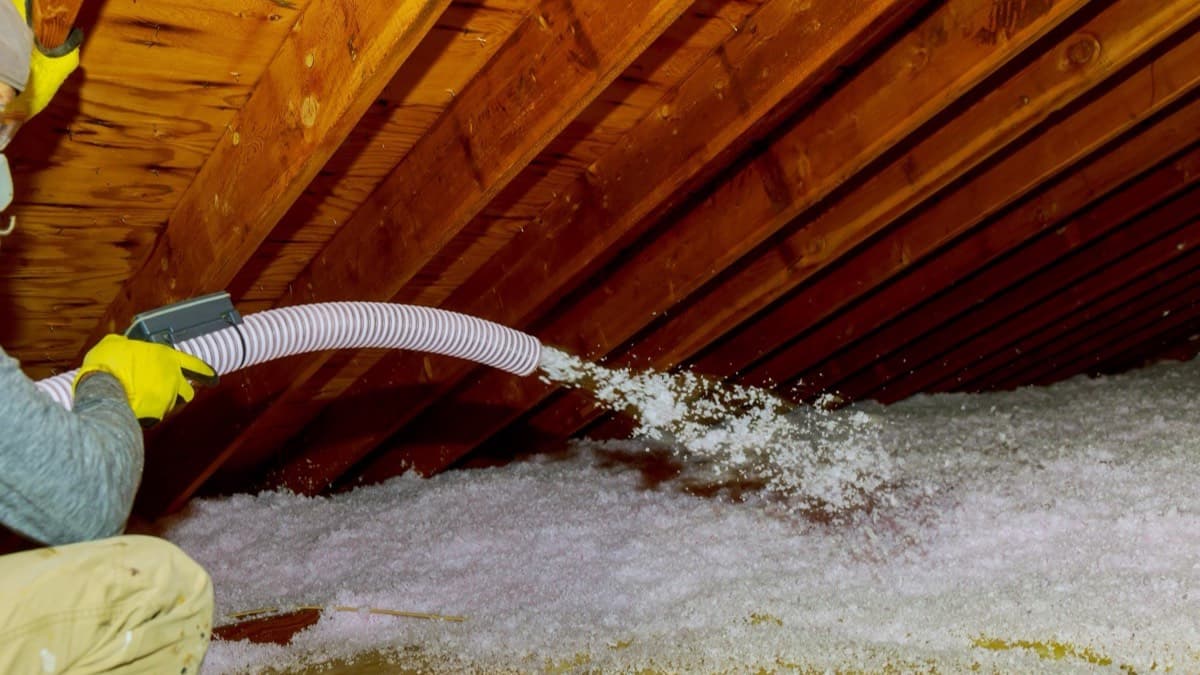
Sealing the air leaks in the attic and adding insulation saves an average of 15 percent on heating and cooling costs. Nine out of 10 homes in the U.S. are under-insulated. Attic sealing and insulation is contractor work.
What you need
- Your climate zone
- How many inches of insulation the attic floor has now, if you know it, or the contractor can measure it
- The kind of attic access: a hatch, pull-down stairs or a door
- The rough size of the attic floor in feet, such as 24 by 32
Steps
- 1
Look up your target R-value
With 3 to 4 inches already in place, the target runs from R25 in Zone 1 to R49 in Zones 4 to 8. An uninsulated attic needs more, from R30 in Zone 1 up to R60.
10 min
- 2
Call the utility first
Your gas or electric utility may offer rebates for the work, and some post pre-screened lists of licensed and insured contractors.
15 min
- 3
Call several contractors
A good contractor is licensed in your state, insured, and trained and certified for insulation work. The Building Performance Institute (BPI), which certifies contractors, and ENERGY STAR's Home Upgrade providers both list them. Tell each one the age of the house. Homes from the 1930s and earlier can have knob and tube wiring, a fire hazard where it touches insulation.
30 min
- 4
Confirm "seal before insulating"
The contractor should seal the attic's holes and gaps before any insulation goes in.
5 min
- 5
Compare the estimates line by line
Each estimate should include insulation baffles, which keep the soffit vents clear, and weatherstripping and insulation for the attic hatch. Older recessed lights that stick up into the attic need sealed covers before insulation goes over them.
20 min
- 6
Plan the safety test
If a gas furnace or water heater sits in the attic, have a heating contractor run a combustion safety test after the air sealing.
5 min
- 7
Check the paperwork at the end
The contractor should give you a record of how much insulation was added and the attic's new R-value. Check it against your target and file it with your home records.
5 min
Have the attic air sealed and insulated
- Look up the recommended attic R-value for your zone
- Ask the utility about insulation rebates and contractors
- Get estimates from several insulation contractors
- Have the fuel-burning appliances tested after sealing
What the contractor may find
Some problems need a professional fix before the insulation goes in:
- Wet or damp insulation, a sign of a roof leak
- Moldy or rotted rafters or joists, a sign of moisture problems
- Kitchen, bath or dryer vents blowing moist air into the attic instead of outdoors
- Little or no attic ventilation
- Knob and tube wiring
Old insulation can usually stay, with new insulation added on top, unless it's wet, moldy, smelly or holds animal waste.
FAQ
Does the old insulation have to come out?
Usually not. New insulation can go on top unless the old is wet, moldy, smelly or holds animal waste.
What R-value should my attic have?
It depends on your climate zone. For an uninsulated attic, the target runs from R30 to R60.
Sources
Checked October 19, 2026
- ENERGY STAR. Well-insulated and sealed attic (2026)
- ENERGY STAR. Recommended home insulation R-values (2026)
- ENERGY STAR. Why seal and insulate? (2026)
- U.S. Environmental Protection Agency, ENERGY STAR. A guide to energy-efficient heating and cooling (2009)
- Hire
- $1,000 to $10,000
- Owner
- Fall
- Insulation