Explainer
Insulation R-values explained
Learn what an R-value measures, why it depends on the material and its thickness, how the common kinds of insulation compare, and the levels recommended for each climate.
Satisfy+ Editorial · Published July 16, 2026 · 3 min read
At a glance
- What it measures
- Resistance to heat flow
- Higher means
- Better insulating
- Depends on
- The material and its thickness
- Where to find it
- On the packaging or the batt's paper backing
Insulation slows the flow of heat through the walls, roof and floors that separate a house from the outdoors. The bigger the difference between indoor and outdoor temperatures, the more energy it takes to keep the house comfortable, and insulation cuts that demand. Its R-value is a measure of how well it resists heat flow. The higher the number, the better it insulates.
What sets the number
An R-value depends on two things, the kind of insulation and how thick it is. The same material laid twice as deep resists more heat. Some materials pack more resistance into less thickness, which is why spray foam is used in exterior walls and cathedral ceilings, where there isn't much room. The R-value is printed on the insulation's packaging, or on the paper backing of rolled insulation.
The common kinds
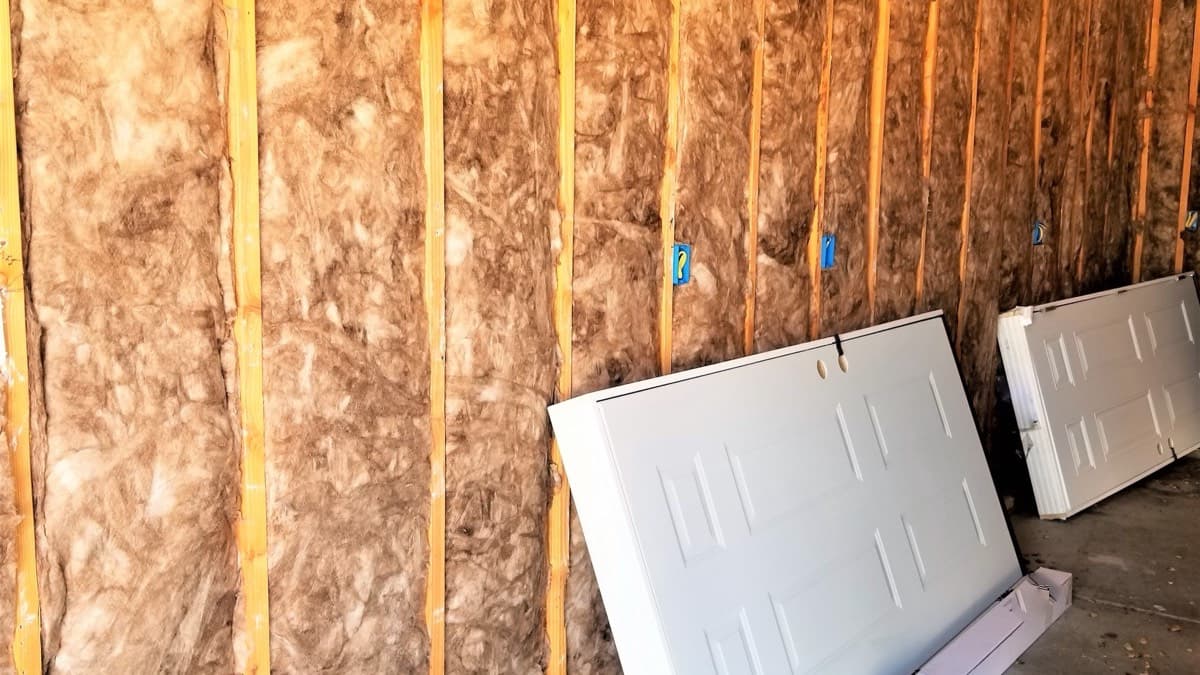
- Rolls and batts. Flexible blankets of fiberglass, rock wool or recycled fibers such as denim, sized to fit between standard wall studs and attic or floor joists.
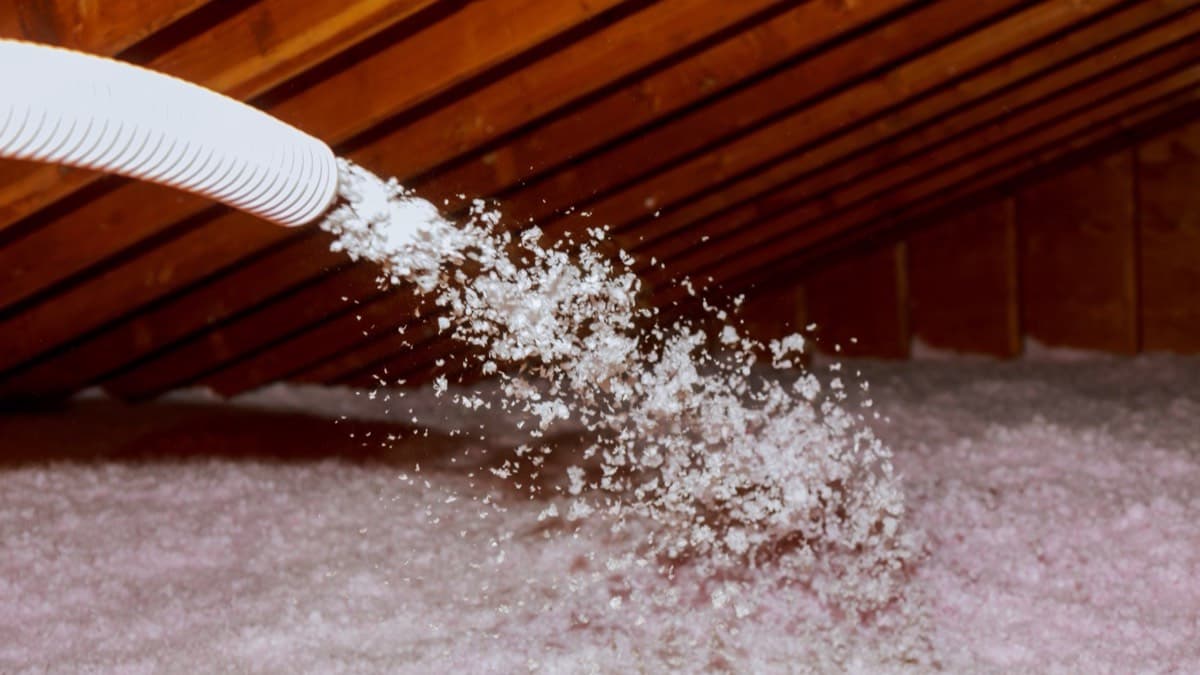
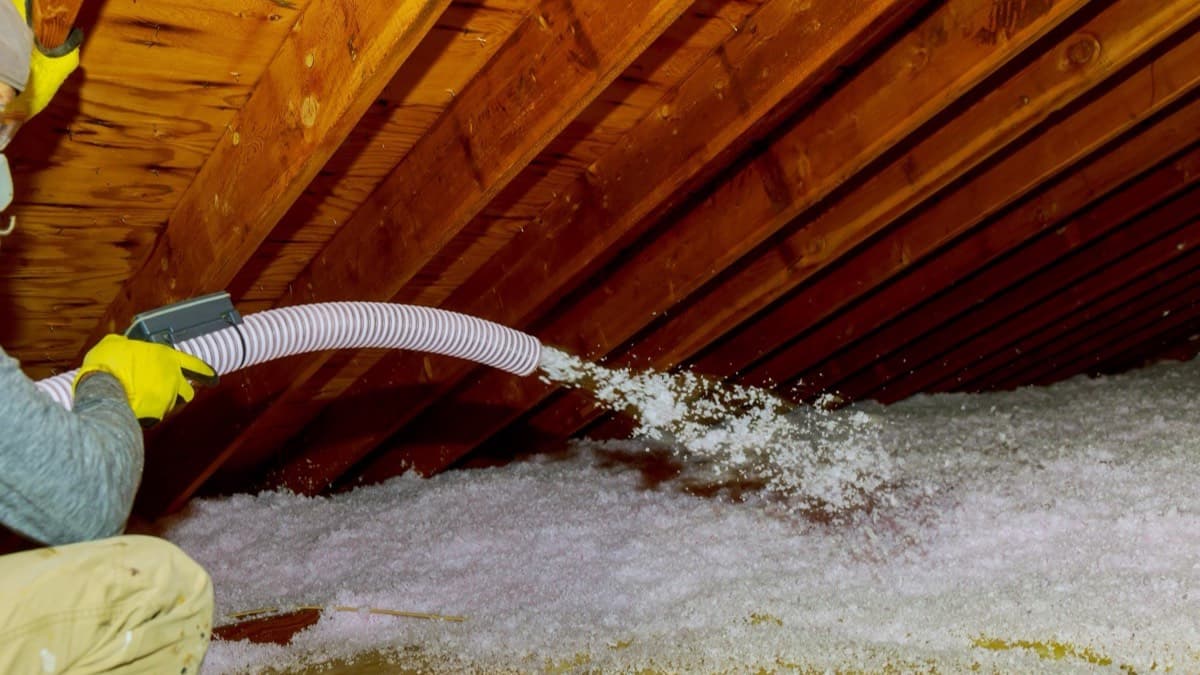
- Loose-fill. Loose fibers or pellets of fiberglass, rock wool or cellulose, blown in with special equipment. It fills odd-shaped spaces and attics crowded with wires, ducts and pipes.
- Rigid foam. Boards that usually cost more than batts or loose-fill, used in exterior wall sheathing, on basement walls and over attic hatches.
- Foam-in-place. Sprayed into walls, onto attic surfaces or under floors, where it also cuts air leaks. It comes in closed-cell and open-cell types, and installing it takes protective equipment and ventilation, so it's usually a job for a professional.
How much is recommended
Recommended insulation levels depend on climate zone, from Zone 1 in the warmest places, including Hawaii and Puerto Rico, to Zones 7 and 8 in the coldest. They're set at the levels that pay off for local fuel costs and weather, which can differ from local building codes.
| Where | Zone 1 | Zones 7 and 8 |
|---|---|---|
| Uninsulated attic | R30 to R49 | R60 |
| Attic with 3 to 4 inches already | R19 to R38 | R49 |
| Uninsulated floor | R13 | R38 |
| Uninsulated wood-frame wall | R13 | R20 plus R5 of continuous insulation, or equivalent |
Continuous insulation is a layer applied to the outside of the wall, just inside the siding. When siding comes off an uninsulated wall, insulation can be blown into the empty wall cavity before the new siding goes on.
Sealing comes first
Insulation works best once the air leaks are sealed. Sometimes a house still feels drafty or too warm after the attic is sealed and insulated. Then the heating or cooling system may not be working properly, or the walls may need insulation. A home energy professional can tell which.
An annotated example
What to do next
Find your climate zone, then compare the insulation you have against the recommended levels for each part of the house. Have any air leaks sealed before insulation is added, and keep a record of the R-value of whatever goes in. Having the attic air sealed and insulated covers the attic job itself.
Know what insulation the house has
- Note your home's climate zone for insulation
- Record the R-value of any insulation that's added
FAQ
What does R-value mean for insulation?
It measures how well the insulation resists heat flow. The higher the R-value, the better it insulates.
Does thicker insulation have a higher R-value?
Yes. R-value depends on both the kind of insulation and its thickness.
Where do I find the R-value of insulation?
On the packaging, or on the paper backing of rolled insulation.
Sources
Checked October 20, 2026
- U.S. Department of Energy. Energy saver: tips on saving money and energy in your home (2022)
- Owner
- Insulation