Explainer
Rebates and utility programs for energy upgrades
Learn where rebates on efficient equipment and home upgrades come from, what the federal Home Energy Rebates cover, and how weatherization assistance works.
Satisfy+ Editorial · Published June 10, 2026 · 3 min read
At a glance
- Rebates most often from
- Utilities and retailers
- Search by ZIP code
- The ENERGY STAR rebate finder
- Federal Home Energy Rebates
- Up to $8,000 or $14,000, in select states
- Weatherization assistance
- Average savings of $372 or more a year
- Who can apply for weatherization
- Income-qualified owners and renters
Money toward an energy upgrade can come from the federal government, a state or local program, a utility or a retailer. Utilities and retailers are more likely to offer rebates, so ask them directly. Federal help comes as the Home Energy Rebates and, for income-qualified households, weatherization assistance.
Utility and retailer rebates
The ENERGY STAR rebate finder searches by ZIP code for rebates and special offers from ENERGY STAR partners. It covers appliances, heating and cooling equipment such as heat pumps, furnaces and smart thermostats, windows, doors and insulation, lighting, ceiling fans and water heaters. A product that earns the ENERGY STAR label meets energy-efficiency specifications set by the U.S. Environmental Protection Agency.
Home Performance with ENERGY STAR programs connect homeowners with vetted contractors who assess and improve a whole house. They have third parties check the contractors' work, and some can point you to rebates or other incentives.
Federal home energy rebates
The Home Energy Rebates program pays for some home-improvement projects through two rebate programs, run by states, territories and Tribes. They're available in select states so far, and the state energy office has the status and the eligibility rules where you live.
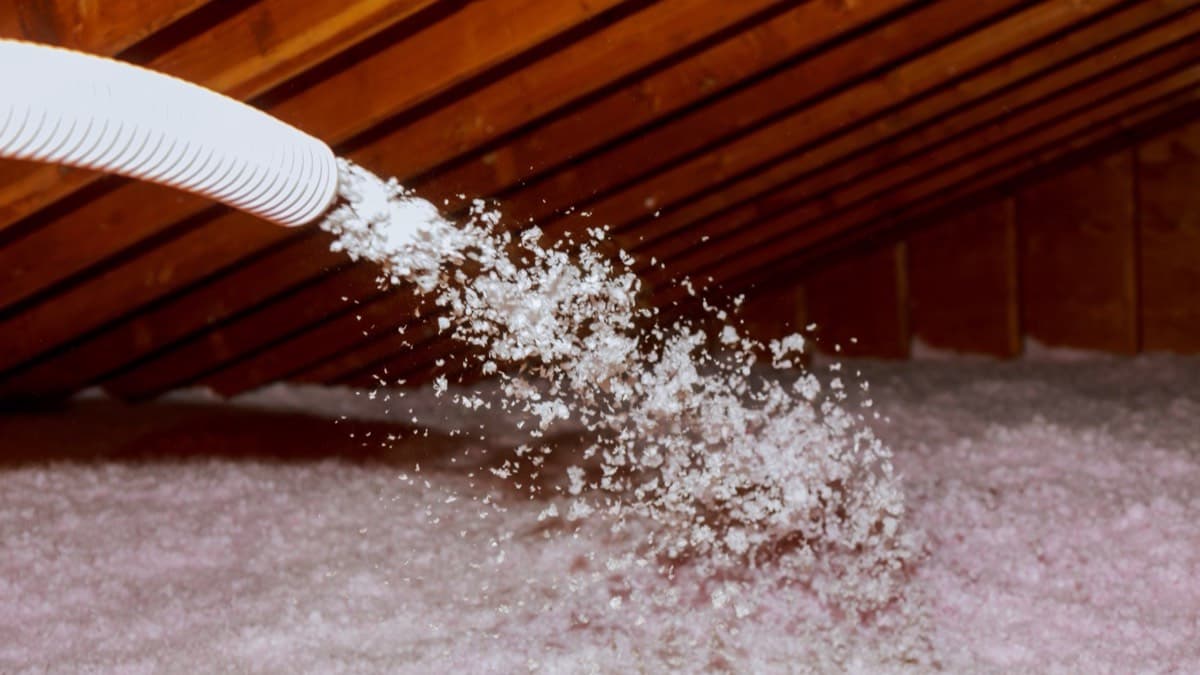
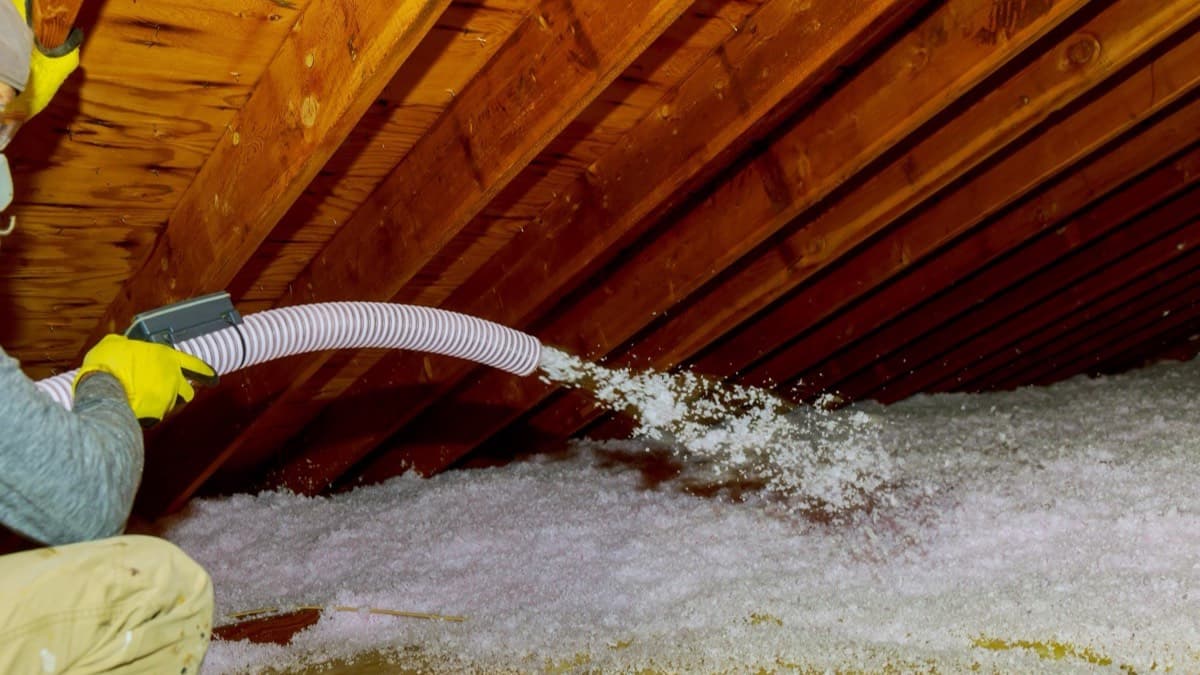
- The HOMES rebates pay for whole-home upgrades, at any income level. A household can receive up to $8,000, based on modeled energy savings of at least 20%. The work can include insulation, air sealing, heating and cooling equipment, water heaters, duct sealing, appliances and lighting.
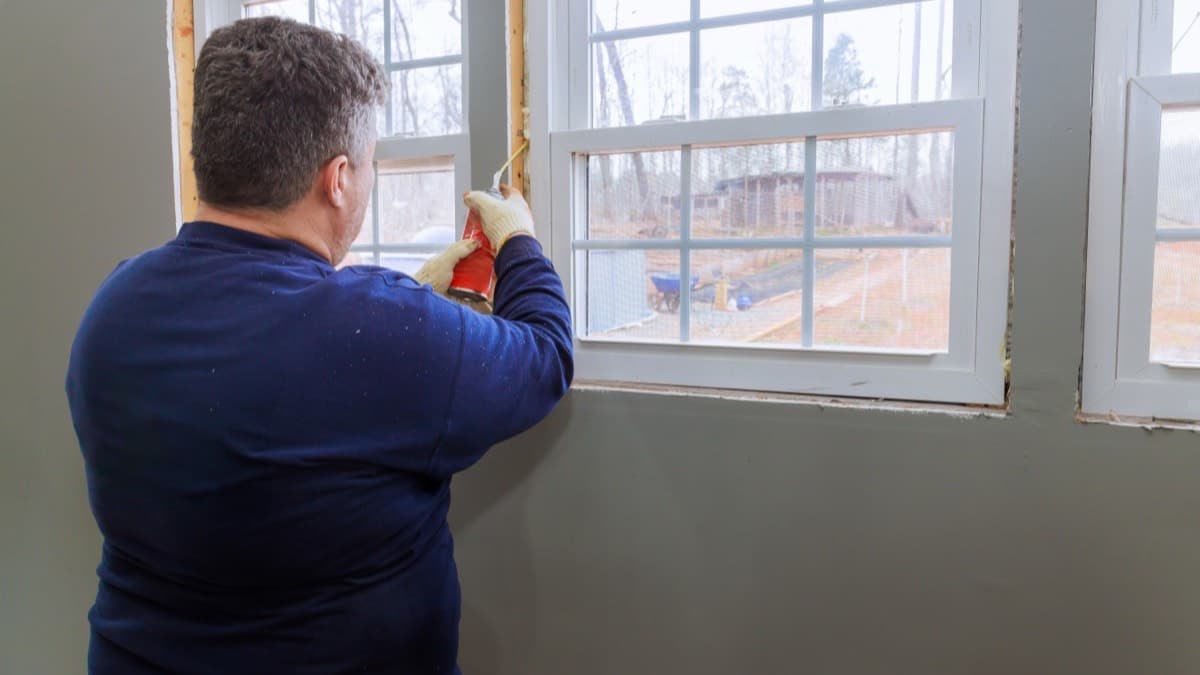
- The HEEHR rebates pay for buying and installing efficient electric equipment and building materials, up to $14,000 a household. They cover insulation, air sealing, ventilation, wiring and electrical panel upgrades, electric heating and cooling, and efficient electric appliances. The rebate can come off the price at the store or through the contractor.
A state or territory running the program can raise the rebates for households earning less than 80% of the area's median income.
Weatherization assistance
The Weatherization Assistance Program improves the energy efficiency of low-income households' homes, with attention to health and safety. It weatherizes about 32,000 homes a year with federal funds, and households save $372 or more a year on average. Since 1976 it has served more than 7.2 million families.
Households at or below 200% of the federal poverty guidelines are eligible, and so are households receiving Supplemental Security Income. A state can also use the Low Income Home Energy Assistance Program's limit of 60% of the state's median income. Older residents, people with disabilities, families with children and households with high energy bills come first. Renters can apply too, and the provider works with the landlord to get permission before any work begins.
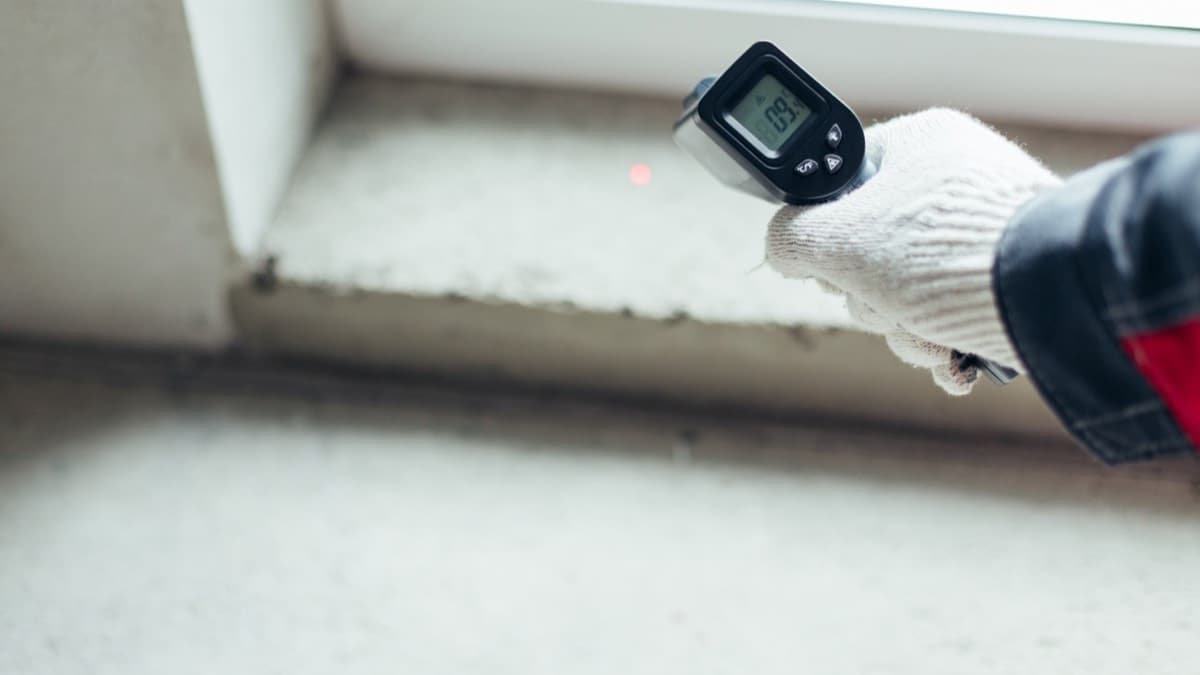
The program is run through state agencies and local providers. To apply, contact the local provider with proof of the past year's income, such as pay stubs or Social Security payments. An eligible household goes on a waitlist. When the home's turn comes, an energy auditor visits. The audit covers the energy bills, a blower-door test for air leaks, and the equipment and every part of the house. A crew then does the work, and an inspector checks it when it's finished.
An annotated example
What to do next
Look up rebates by ZIP code before an upgrade, and keep every form and receipt with the upgrade's record. Which energy upgrades to do first covers the order of the work, and A home energy audit and what it finds covers the visit that starts it.
Keep the rebate paperwork
- Look up rebates by ZIP code before an upgrade
- File each rebate form and receipt with the upgrade
FAQ
Who offers rebates on energy-efficient products?
Utilities and retailers, more often than the government. The ENERGY STAR rebate finder searches their offers by ZIP code.
How much are the federal Home Energy Rebates?
Up to $8,000 a household for whole-home upgrades, and up to $14,000 for efficient electric equipment, in states running the programs.
Can a renter get weatherization assistance?
Yes. Renters can apply, and the local provider gets the landlord's permission before the work starts.
Sources
Checked October 20, 2026
- U.S. Department of Energy. Energy saver: tips on saving money and energy in your home (2022)
- U.S. Environmental Protection Agency, ENERGY STAR. Special offers and rebates from ENERGY STAR partners (2026)
- U.S. Department of Energy. Home Energy Rebates program (2026)
- U.S. Department of Energy. Weatherization Assistance Program (2026)
- U.S. Department of Energy. How to apply for weatherization assistance (2026)
- Appliances
- HVAC
- Owner
- Insulation
- Tenant