Explainer
Storm windows and low-e storm panels
Learn how a low-e storm window over an existing window cuts heating and cooling costs, what the coating does, and how to keep one from trapping condensation.
Satisfy+ Editorial · Published August 6, 2026 · 3 min read
At a glance
- What it is
- A second pane fitted over an existing window
- Savings
- 10% to 30% on heating and cooling costs
- Low-e coating
- Reflects heat back into the room
- Upkeep
- Keep the weep holes at the bottom open
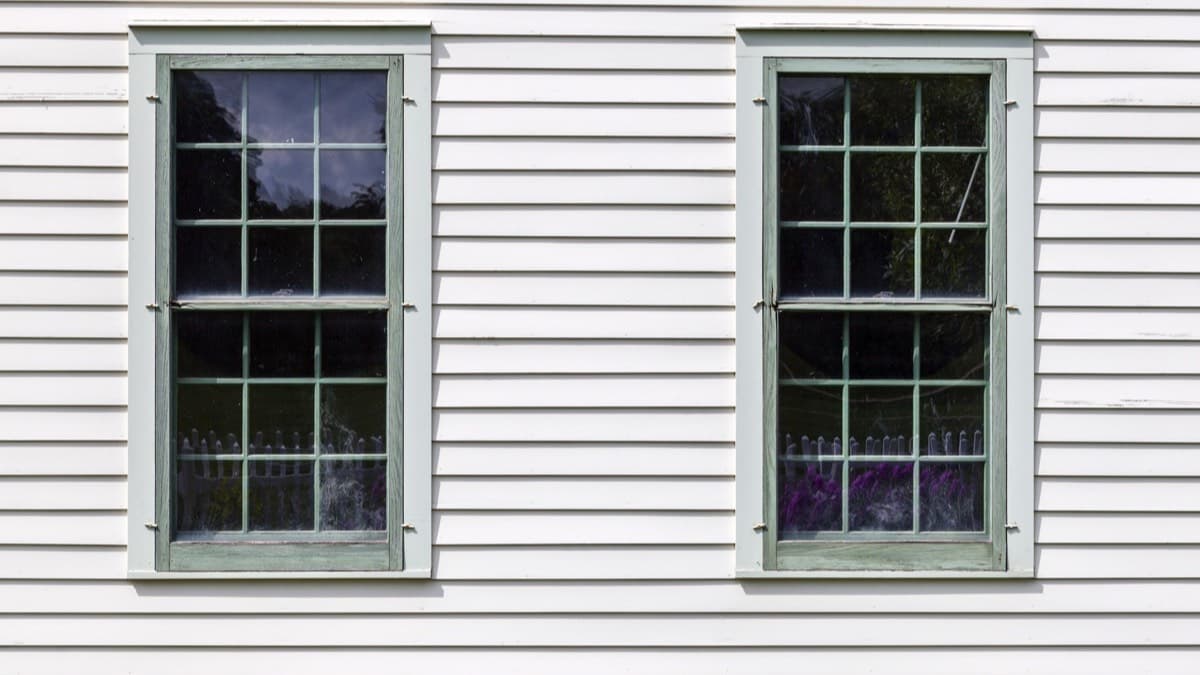
A storm window fits over an existing window, outside or inside, and adds a layer of glass and air. Older storm windows had to be taken down and stored. Modern ones stay in place, and come in fixed and operable versions. Exterior and interior low-e storm windows can save 10 to 30 percent on heating and cooling costs, depending on the window already in the house.
What the low-e coating does
Many storm windows now carry a low-emissivity, or low-e, coating. It's a durable, transparent silver layer that reflects radiant heat back into the house. A coated storm window is about 50 percent more energy efficient than an uncoated one. The coating can also cut the sun's heat coming in, which lowers summer cooling.
There are two kinds of low-e glass:
- Clear low-e lets the sun's warmth through, which helps heat the house in central and northern regions.
- Solar-control low-e blocks more sun, for the South and other places where cooling matters more than heating.
Both save energy in every region.
What it saves
A storm window slows heat flow through the glass and adds a layer of air. It tightens the seal around the window, and a low-e coating cuts radiant heat loss.
In two matched test homes, low-e storm windows cut heating energy by 10.5 percent and cooling by 8.0 percent. They went over double-pane, clear-glass windows. The test windows were already well sealed. Over leakier older windows, storm windows would likely save more. Low-e storm windows also make condensation on the inside of the window less likely.
Fitting one
A storm window fastens to the outer window casing or trim. Over a window in good shape, a ground-floor exterior storm window takes simple tools and about 20 minutes. An installer is the safer route for upper-story windows.
- Fix the window first. Repair broken panes, broken hardware and missing weatherstripping. A rotted frame or sill needs repair before anything goes over it.
- Seal three sides. Exterior-grade sealant goes along the sides and top. The bottom stays unsealed.
- Leave the weep holes open. The small holes or notches in the bottom rail drain water and vent the gap. Never caulk them.
Condensation between the panes
Moisture can collect between the original window and the storm window. It's usually a temporary cosmetic problem rather than a durability one. Making the original window as airtight as possible keeps warm, moist air from reaching the gap. If condensation shows up:
- Make sure the weep holes are clear.
- Run the bathroom and kitchen exhaust fans when showering or cooking.
- Dry clothes in the dryer or outside rather than on a rack indoors.
- Run a dehumidifier if the house stays humid.
An annotated example
What to do next
List the windows that are single-pane or drafty, and repair broken panes and worn weatherstripping first. If you already have storm windows, check that the weep holes along the bottom are open.
Check the windows for storm panels
- List the windows that are single-pane or drafty
- Repair broken panes and weatherstripping on the windows
- Check that storm window weep holes are clear
FAQ
How much do storm windows save?
Exterior and interior low-e storm windows can save 10 to 30 percent on heating and cooling costs, depending on the window already in place.
Should storm windows be caulked at the bottom?
No. Seal the sides and top, and leave the bottom and its weep holes open so water can drain.
Why is there condensation between my window and storm window?
Warm, moist indoor air is reaching the gap. Make the inside window as airtight as possible and keep the storm window's weep holes clear.
Sources
Checked October 20, 2026
- Pacific Northwest National Laboratory, Building America Solution Center. Low-E exterior storm windows (2026)
- Pacific Northwest National Laboratory. Evaluation of low-e storm windows in the PNNL Lab Homes (PNNL-23355) (2014)
- U.S. Department of Energy, Energy Saver. Energy Saver guide, tips on saving money and energy in your home (2022)
- Owner
- Windows and doors
- Budget