Guide
Using window coverings to cut heating and cooling bills
Open the shades on sunny winter days and close them at night, close them on windows in direct summer sun, and keep an inside covering light-colored and off the glass.
Satisfy+ Editorial · Published May 29, 2026 · 2 min read
At a glance
- Winter days
- Open the shades on sunny south windows
- Winter nights
- Close them against the cold glass
- Summer days
- Close coverings on windows in direct sun
- Inside the glass
- Light-colored, not sealed against it
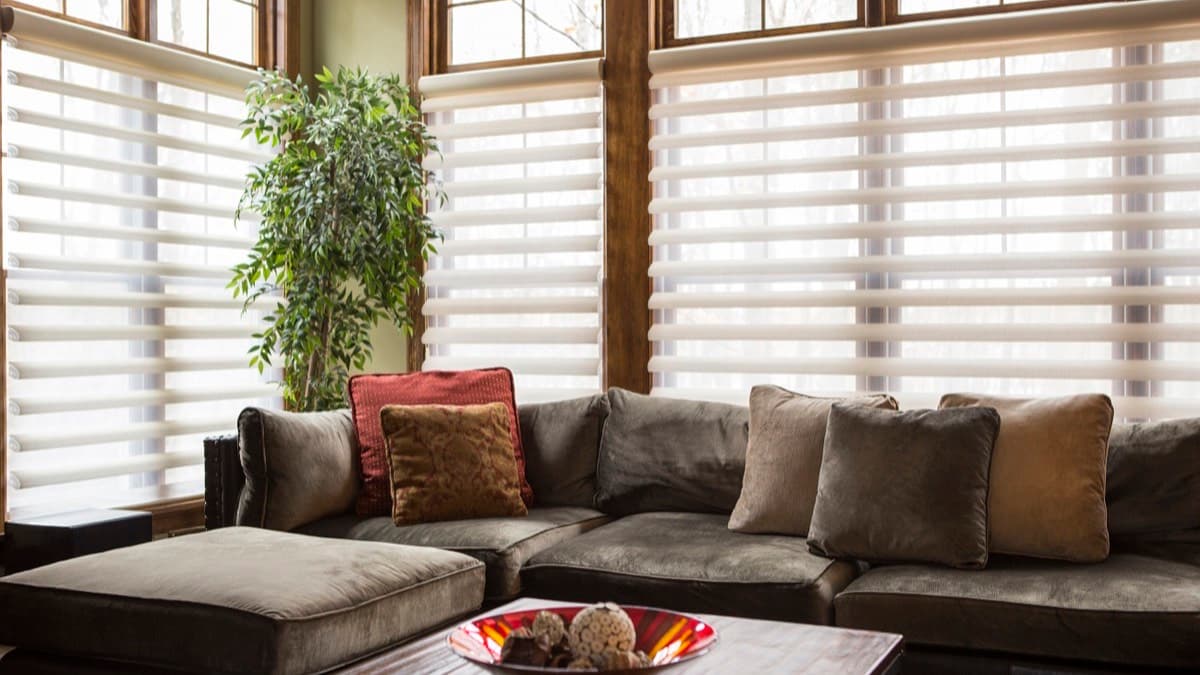
Windows make up about 10 percent of a typical home's surface area but can account for 30 to 40 percent of its heat loss in winter. The curtains, shades and blinds you already have can cut some of that loss. When they're open and closed decides how much.
In winter
- Open them to the sun. Open the curtains and shades on south-facing windows during the day to let the sunlight warm the house.
- Close them at night. Closed curtains and shades cut the chill from cold windows after dark.
- Cellular shades. Insulated cellular shades are honeycombed inside, and can cut heating energy needs by almost 25 percent.
In summer
- Close them in the sun. Keep the coverings closed during the day on windows getting direct sunlight, to keep the heat out.
- Outside beats inside. Shading on the outside of the window gives the most protection from solar heat.
- Inside the glass. Anything put up on the inside of a window should be light-colored or mirror-like, and shouldn't make an airtight pocket between the glass and the room.
In a heat wave
Temporary shading keeps a house from getting too hot on sunny days. A reflective emergency blanket, reflective bubble wrap or aluminum foil taped inside the window needs no special tools. These are short-term fixes.
Daylight
Open curtains and shades let in daylight, so the lights can stay off. Light-colored, loose-weave curtains let daylight in while keeping some privacy.
An annotated example
What to do next
Note which windows get direct summer sun and which face south. Close the coverings on the sunny ones on summer days, and open the south-facing ones on sunny winter days. Thermostat settings that cut the bill covers the thermostat side.
Use the window coverings through the year
- Note which windows get direct summer sun
- Close the coverings on sunlit windows on summer days
- Open the south-facing shades on winter days
FAQ
Do window coverings really save energy?
Yes. Windows can account for 30 to 40 percent of a home's winter heat loss, and closing coverings at night and in direct summer sun cuts the loss and the heat gain.
Should I keep blinds open or closed in winter?
Open on south-facing windows during sunny days to let the sun warm the house, and closed at night.
Are outside shades better than inside ones?
For keeping out summer heat, yes. Shading on the outside of the window gives the most protection from solar heat.
Sources
Checked October 20, 2026
- U.S. Department of Energy, Energy Saver. Energy Saver guide, tips on saving money and energy in your home (2022)
- U.S. Department of Energy, Building Technologies Office. Minnesota becomes first state to include cellular window shades in list of effective techniques for saving energy (2023)
- Lawrence Berkeley National Laboratory. DIY affordable window shading (2026)
- Lawrence Berkeley National Laboratory. Residential windows and attachments (2026)
- Owner
- Windows and doors
- Tenant
- Budget