How-to
Dealing with mold and damp in a rental
Report leaks to the landlord right away, dry anything wet within 48 hours, keep the humidity between 30 and 50 percent, and clean a small patch safely.
Satisfy+ Editorial · Published July 23, 2026 · 3 min read · 2 hr to do · Under $100
At a glance
- First
- Tell the landlord about the leak or damp
- Wet things
- Dry within 24 to 48 hours
- Humidity
- Below 60 percent, ideally 30 to 50
- A patch you can clean
- Under about 10 square feet
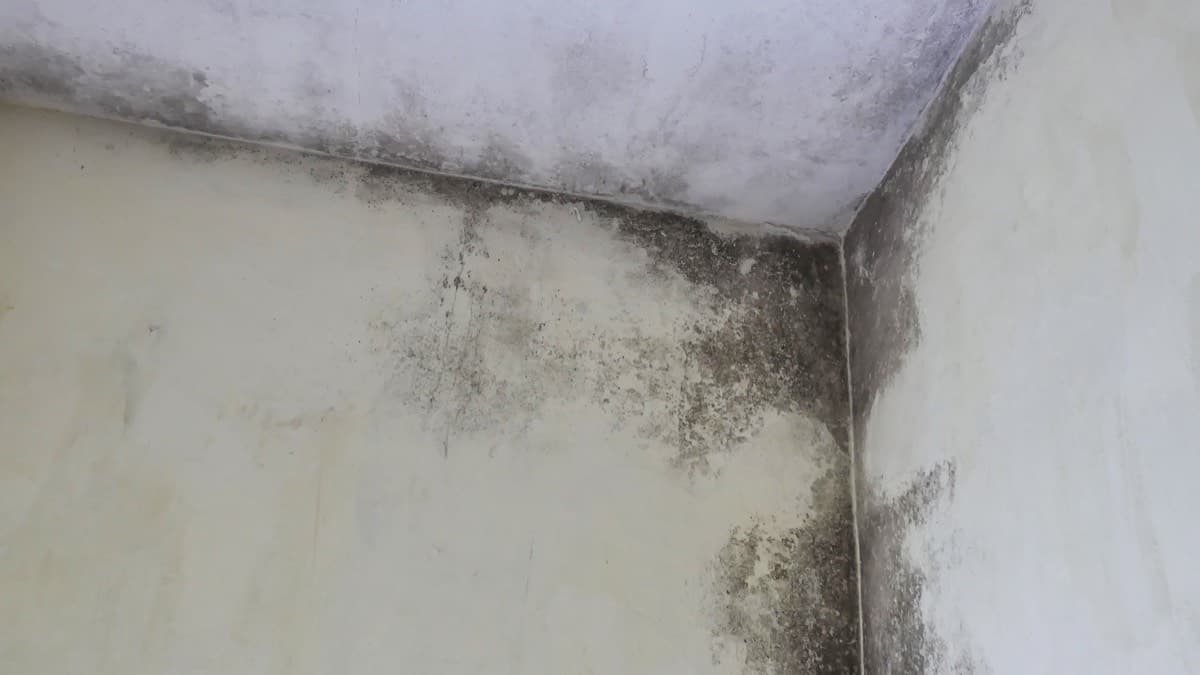
Mold needs moisture to grow, so control the water to control the mold. In a rental, report leaks and moisture problems to the owner or manager right away. Cleaning up mold without fixing the water problem usually brings the mold back. Mold can cause allergic reactions and asthma attacks, and it irritates the eyes, skin, nose, throat and lungs.
What you need
- A humidity meter, about $10 to $50 at a hardware store
- Detergent, water and a scrub brush
- An N-95 respirator, long rubber gloves and goggles without vent holes
- Towels or a fan for drying
Steps
- 1
Report the water problem
Tell the building owner, manager or superintendent about any plumbing leak or moisture problem as soon as you find it.
10 min
- 2
Dry anything wet within 48 hours
After a leak or spill, dry wet materials and areas within 24 to 48 hours. In most cases, mold won't grow if things are dry by then.
30 min
- 3
Measure the humidity
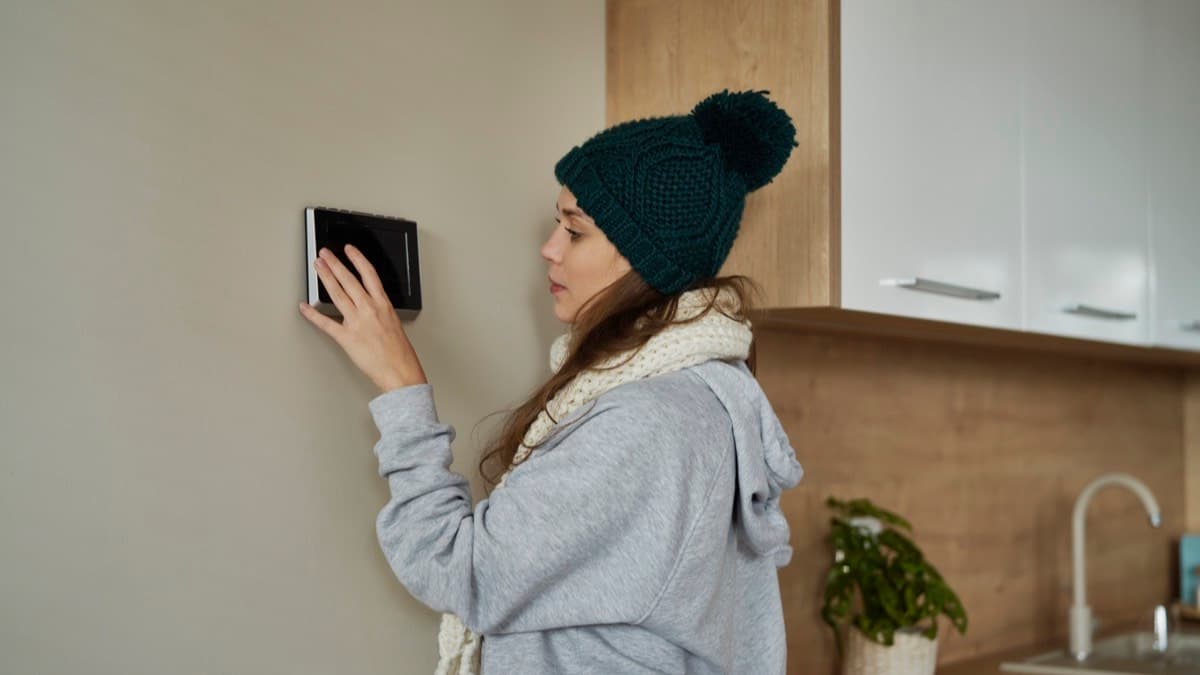
Set a humidity meter in the damp room. Keep indoor humidity below 60 percent, ideally between 30 and 50 percent. Condensation on windows, walls or pipes is a sign the humidity is high.
5 min
- 4
Ventilate the bathroom and kitchen
Run the bathroom fan or open a window while you shower. Use the exhaust fan or open a window while you cook or run the dishwasher, and use the air conditioner or a dehumidifier when needed.
5 min
- 5
Clean a small patch
If the mold covers less than about 10 square feet, you can usually clean it yourself. Put on the respirator, gloves and goggles, scrub the mold off hard surfaces with detergent and water, and dry them completely. Don't paint or caulk over mold, since paint over it is likely to peel. Moldy carpet and other absorbent materials may have to go.
40 min
- 6
Check that it stays gone
Look at the spot again a few days later. There should be no visible mold, no moldy smell and no new signs of water damage.
15 min
When to stop and call for help
- More than 10 square feet. A large area, or a lot of water damage, needs a professional who has experience cleaning up mold. Tell the landlord how large it is.
- Sewage or dirty water. Damage from contaminated water calls for a professional with experience in it.
- The heating or cooling system. If you suspect mold in it, don't run it, since it could spread mold through the building.
- The problem keeps coming back. If a persistent water problem isn't fixed, contact the local, state or federal health or housing authorities.
- Health worries. Talk to a health professional before you start cleaning.
How to clean up a small patch of mold has more on the cleaning itself.
Keep the rental dry
- Report the leak or damp patch to the landlord
- Check the humidity meter reading
- Check windows and pipes for condensation
FAQ
What should I do about mold in my apartment?
Report the leak or moisture problem to the landlord right away, dry anything wet within 48 hours, keep the humidity low and clean a patch under about 10 square feet yourself.
Can I paint over mold in a rental?
No. Clean the mold off and dry the surface first. Paint applied over mold is likely to peel.
What humidity stops mold?
Keep indoor humidity below 60 percent, ideally between 30 and 50 percent.
Sources
Checked October 20, 2026
- U.S. Environmental Protection Agency. A brief guide to mold, moisture and your home (2025)
- Under $100
- Mold
- Beginner
- Tenant
- DIY