Explainer
What a FORTIFIED roof is
Learn what the FORTIFIED Roof standard adds to an ordinary roof, from a sealed deck to ring-shank nails, and how a house earns the designation.
Satisfy+ Editorial · Published July 3, 2026 · 4 min read
At a glance
- What it is
- A voluntary standard for building or re-roofing a house
- Levels
- Roof, then Silver, then Gold
- Built by
- A certified FORTIFIED roofing contractor
- Checked by
- An independent evaluator
- Added cost on a re-roof
- About $1,000 to $3,000 for a 2,000-square-foot house
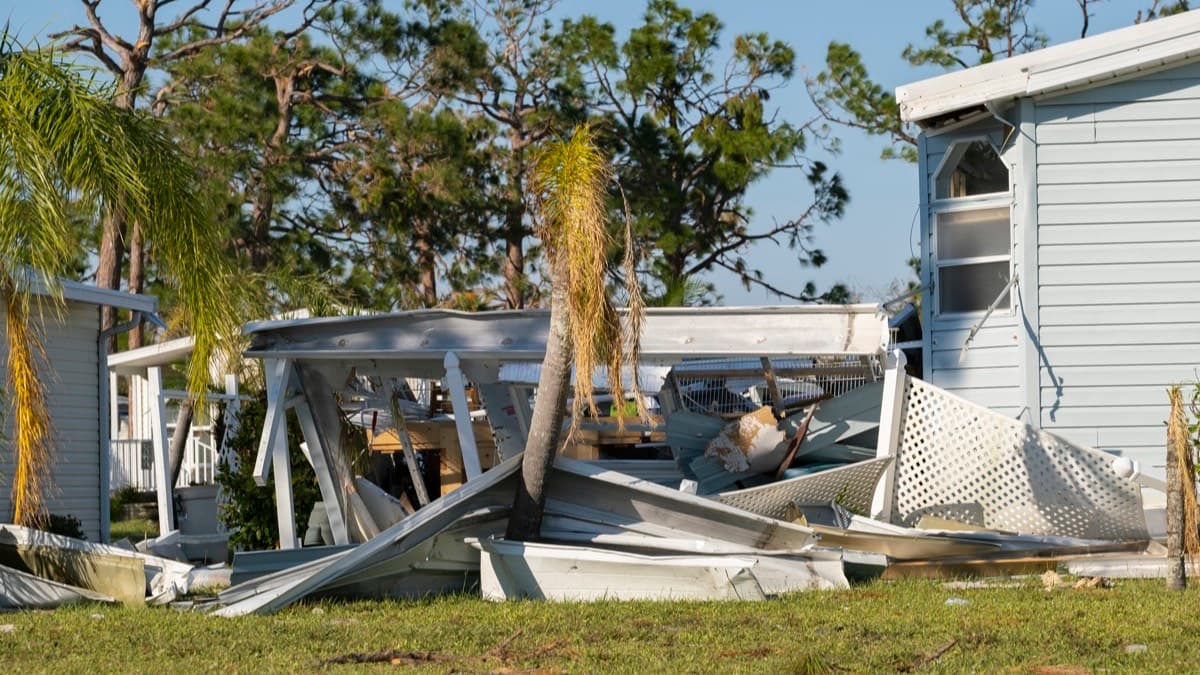
FORTIFIED is a voluntary standard for building or re-roofing a house so it holds up better to high winds, hail, hurricanes and even tornadoes. Its requirements go beyond most building codes. Each level of the designation starts with the roof, because as many as 90% of catastrophe insurance claims include roof damage.
Roof damage often begins at the edge, when wind gets underneath and starts pulling the roof away from the house. Once the shingles, panels or tiles are gone, rain runs through the gaps in the wood deck beneath. An inch of rain on an exposed deck can let in about nine bathtubs of water.
What the roof standard adds
A FORTIFIED Roof changes four things about how an ordinary roof is put together. It works with almost any covering: shingles, metal, tile, composite or a low-slope roof.
- The edges get a wider drip edge and a fully adhered starter strip. Together they strengthen the edge, where wind damage tends to start.
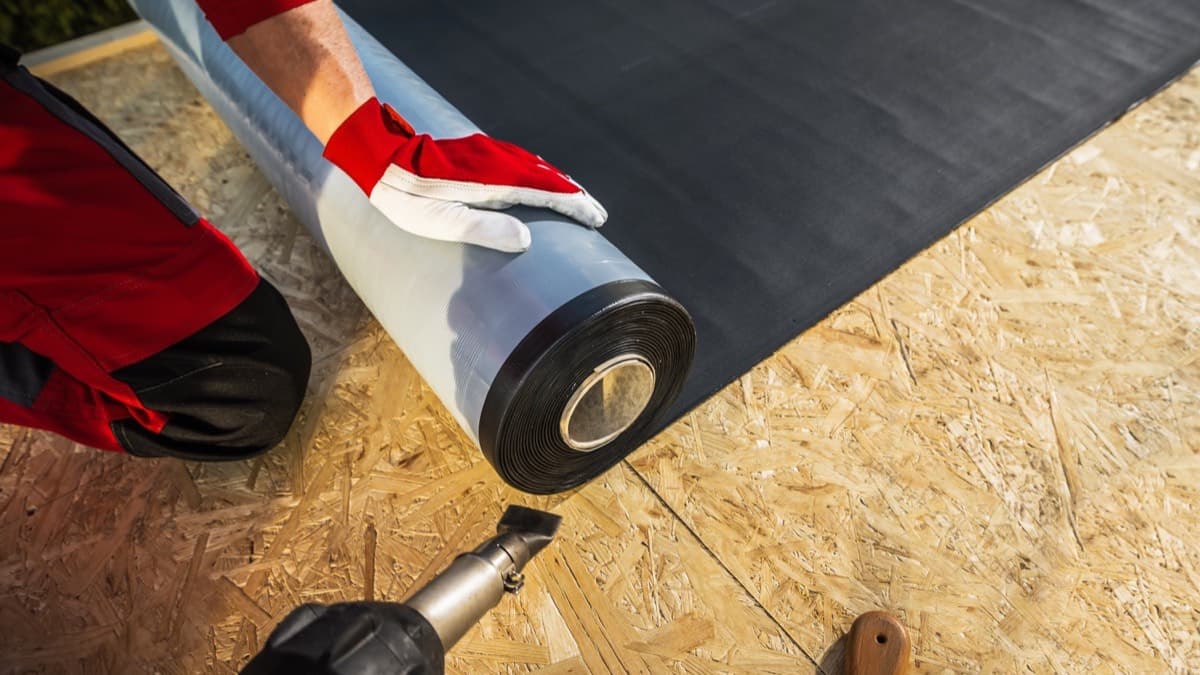
- The seams of the roof deck are sealed, so water stays out if the covering blows off. Sealing them cuts the water that gets in by up to 95%.
- The deck is fastened with 8d ring-shank nails, set closer together than usual, in place of common smooth nails. That change can double the uplift the roof can withstand.
- The covering has to pass wind testing. Asphalt shingles need the highest wind ratings, ASTM D3161 Class F or ASTM D7158 Class H. Metal, tile and low-slope systems are tested for the wind pressures at the house's own site.
An optional hail supplement raises the bar for the covering. Shingles have to be rated Good or Excellent on the institute's hail impact ratings, which test them against realistic hailstones. Rated shingles better protect a house from hail up to 2 inches across. Metal and low-slope roofs need a UL 2218 Class 4 impact rating, and tile needs FM 4473 Class 4.
Silver and Gold
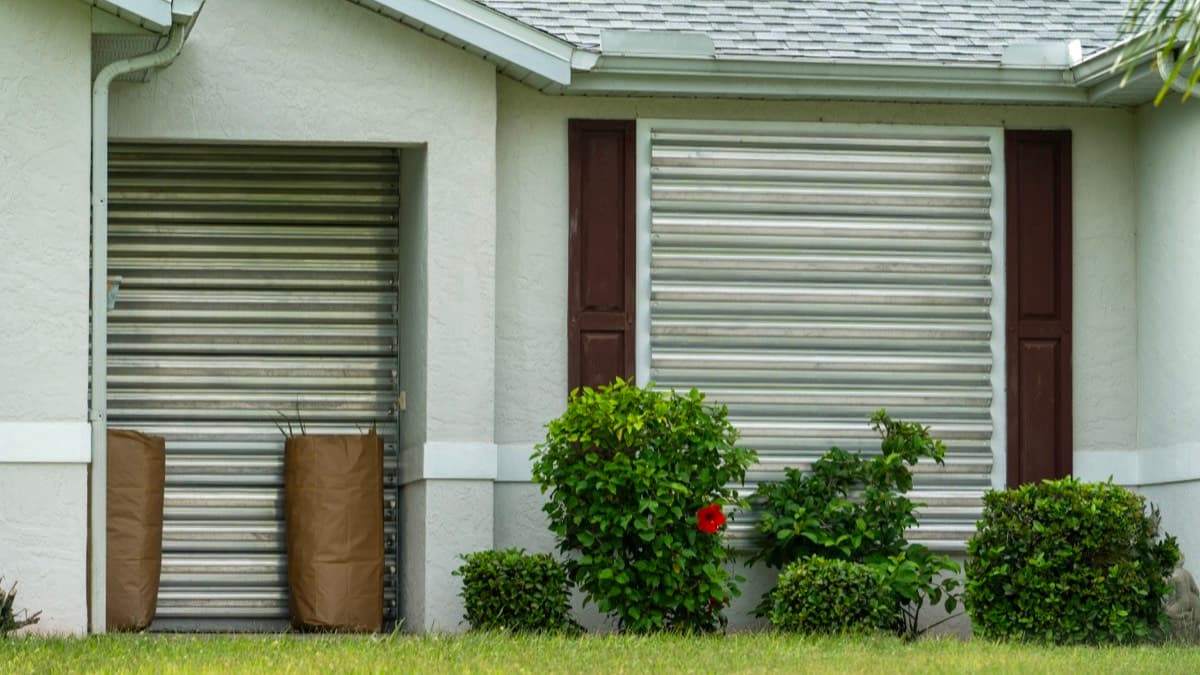
The higher levels carry the protection beyond the roof. They add attic vents that resist wind and wind-driven rain, braced chimneys and gable ends, and soffits held in place with extra bracing and fasteners. Porches and carports are anchored so wind can't lift them. Garage doors are rated for high pressures. Windows and doors get protection tested for pressure and impact, and in hurricane-prone areas so do garage doors with windows.
How a house earns the designation
The standards are free to read, and a contractor can follow them on any job. The designation itself takes verification.
- A certified FORTIFIED roofing contractor installs the roof. Builders and other trades don't have to be certified.
- An independent FORTIFIED evaluator documents the work as it happens. That can mean photos of material labels, the underlayment, hurricane straps or soffit bracing, and proof that vents and doors meet their test ratings. The homeowner is free to choose the evaluator.
- A review team checks the documentation. When everything meets the standard, it issues a designation certificate, and the evaluator delivers it to the homeowner.
Without that verification, a house can't receive a designation. Townhouses qualify when each unit has its own foundation and roof, with no units stacked. So do manufactured homes built after 1994 that carry a HUD wind zone rating.
On a re-roof of a 2,000-square-foot house, the upgrades typically add $1,000 to $3,000, plus the cost of the evaluation. Building a new house to the Gold level adds 1% to 3% to the total budget.
What it doesn't do
No house is hurricane-proof or tornado-proof. Evacuate when told to, and take shelter in a tornado, whatever the roof. Some parts of a house, like the siding, fall outside the standard, and age, climate and upkeep wear on the parts that are covered.
An annotated example
What to do next
Write down what your roof is covered with, how old it is and who installed it, and keep any FORTIFIED certificate with the house papers. Checking your roof from the ground covers what to look for between replacements, and Hurricane shutters, impact windows and plywood explained covers the openings.
Keep the roof's record
- Record the roof's covering, age and installer
- File the FORTIFIED certificate with the house papers
FAQ
What does a FORTIFIED roof have that a standard roof doesn't?
Locked-down edges, a sealed roof deck, ring-shank nails set closer together, and a covering tested for high wind.
Can a roofer follow the standard without a designation?
Yes. The standards are free to use as a guide, but a designation needs a certified roofer and an independent evaluator.
Does a FORTIFIED roof make a house stormproof?
No. It reduces the chance of serious damage, but no house is stormproof, so evacuation orders still apply.
Sources
Checked October 20, 2026
- Insurance Institute for Business & Home Safety (insurer-funded). FORTIFIED Roof (2025)
- Insurance Institute for Business & Home Safety (insurer-funded). FORTIFIED frequently asked questions (2025)
- Insurance Institute for Business & Home Safety (insurer-funded). Getting started with FORTIFIED (2025)
- Hail
- Hurricane
- Hire
- Owner
- Roof