Guide
Lead in yard soil and the vegetable garden
Find out where lead collects in a yard, get the garden soil tested, and grow food safely at each level a test can show.
Satisfy+ Editorial · Updated August 3, 2026 · 4 min read
At a glance
- Where it collects
- Next to older painted houses and busy roads
- Under 200 ppm
- Garden with good habits
- 200 to 400 ppm
- Raised beds for root and shallow-root crops
- Over 400 ppm
- Don't grow food in the existing soil
Lead occurs naturally in soil at low levels, but most of the lead people come into contact with comes from human activity, from old leaded gasoline, industry and lead-based paint on older buildings. Because lead is an element, it stays in the soil long after its source is gone. Levels tend to be higher next to roads, along the drip line of buildings painted with lead-based paint or fitted with lead gutters and flashing, and near old industrial sites.
Gardeners can take in lead by eating produce that absorbed it from the soil or still has soil on it. They can also track soil inside on shoes, clothes and tools, or swallow or breathe in dust while they work. Children and women who are pregnant or breastfeeding are the most sensitive to it. With good habits, a garden in a yard that may hold lead can still grow fruit and vegetables safely.
Get the soil tested
Knowing how much lead is in the soil is the place to start. Test the soil you plan to grow any food in.
- A lab test is the best way. Labs accredited under EPA's National Lead Laboratory Accreditation Program can measure it.
- Agricultural extension offices and state university agricultural departments offer soil testing for lead, usually for a fee. Some local health departments do too.
- A mail-in kit. With a kit sold online, you send a sample to a lab.
- A soilSHOP event screens soil you bring from your garden for lead and other contaminants.
Results are given in parts per million (ppm) or milligrams per kilogram (mg/kg), which are the same thing. For help finding an accredited lab or a lead risk assessor, call the National Lead Information Center at 1-800-424-5323.
Growing food at each level
Approaching 200 ppm. Garden with good habits. Wear gloves and use tools to keep your hands out of the soil. Root and shallow-root crops can go in the existing soil, and deep-root plants go in raised beds. Garden less if you're pregnant or nursing.
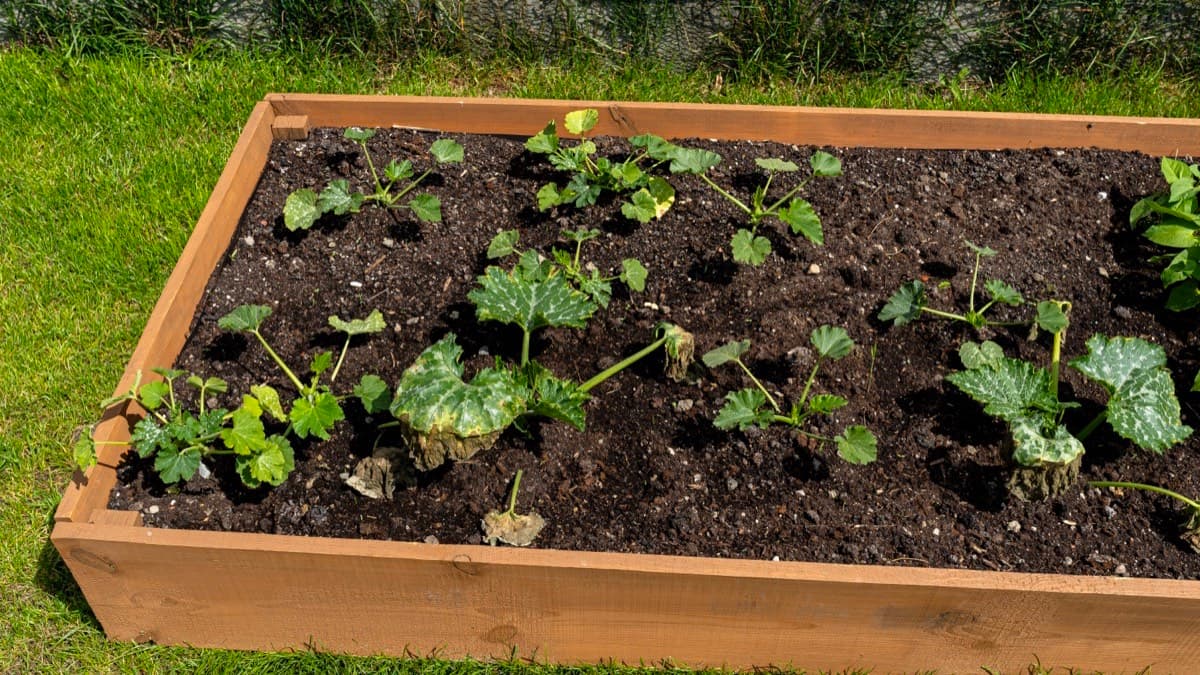
200 to 400 ppm. Add raised beds of clean soil mixed with compost or manure. Grow root vegetables and shallow-root plants in the raised beds, cover any bare soil with ground cover or mulch, and peel root vegetables before eating or cooking them. Deep-root plants aren't recommended even in raised beds, unless they're in containers.
Over 400 ppm. Don't grow food in the existing soil. Grow shallow-root plants only, in raised beds with at least 16 inches of clean soil on top of garden fabric, or grow in containers. Add clean soil and compost or manure to the beds every year, and keep bare soil covered or damp. Root and deep-root vegetables aren't recommended unless they're in containers.
Good habits in any garden
- Put the garden at least 10 feet from buildings, roads and driveways.
- Build raised beds of clean soil over a visible barrier such as garden fabric.
- Mulch to keep dust down and soil off the crops.
- Bring compost or manure in from a garden center.
- Keep the soil pH near neutral, 6.5 to 7.5, which cuts how much lead plants take up.
- Keep children and pets out of the garden until you know the lead level.
- Store garden tools outside the living areas of the house.
Bringing in the harvest
- Wash all produce.
- Peel root crops such as carrots, beets, turnips and radishes.
- Throw away the outer leaves of leafy vegetables.
Root vegetables and leafy greens take up more lead than fruiting crops such as tomatoes, peppers and cucumbers.
Keeping it out of the house
- Put doormats inside and outside every entry, and take shoes off at the door.
- Wash hands, toys, pacifiers, tools and clothes after gardening.
- Wash clothes that touched soil separately from other laundry.
- Wipe pets' fur and paws when they come in dirty.
- Clean the floors regularly.
An annotated example
What to do next
Before planting, send a sample of the garden soil to a lab. Plan the beds from the result, at least 10 feet from the house and the street. Put doormats at each entry and leave shoes at the door. If the house was built before 1978, Lead paint in homes built before 1978 covers the paint the soil lead may have come from. If you have young children, ask their health care provider about a blood lead test.
Garden safely in soil that may hold lead
- Get the garden soil tested for lead
- Put doormats inside and outside every entry
- Cover bare soil in the yard with mulch or plants
- Add clean soil and compost to the raised beds
FAQ
How do I test my garden soil for lead?
Send a sample to a lab. Agricultural extension offices, state university agricultural departments, some local health departments and EPA-accredited labs test soil for lead.
What level of lead in soil is safe for a vegetable garden?
Below about 200 ppm, garden with good habits. From 200 to 400 ppm, use raised beds of clean soil. Above 400 ppm, don't grow food in the existing soil.
Which vegetables take up the most lead?
Root vegetables, like carrots, and leafy greens take up more lead than fruits like tomatoes, peppers and cucumbers.
Sources
Checked October 20, 2026
- U.S. Environmental Protection Agency. Healthy gardening practices to reduce exposure to lead-contaminated soil (2026)
- U.S. Environmental Protection Agency. Lead in soil (2026)
- Yard
- Owner
- Lead
- Tenant