Explainer
Old pressure-treated wood in the yard
Tell whether a deck, play set or planter built before 2004 is CCA-treated wood, and keep the arsenic in it away from hands, food and the garden.
Satisfy+ Editorial · Published April 29, 2026 · 3 min read
At a glance
- Built before 2004
- Most likely CCA-treated, unless it's cedar or redwood
- In it
- Arsenic, chromium and copper
- Removal
- Not needed
- Keep up
- A penetrating stain or sealant, put on regularly
Chromated copper arsenate (CCA) is a wood preservative made of arsenic, chromium and copper that protects wood against termites, fungi and other pests. Until 2004 it was a main source of treated lumber for decks, play sets, picnic tables and other outdoor structures at homes. Manufacturers stopped making CCA wood for those uses at the end of 2003, after concerns about arsenic exposure from touching the wood and the soil around it. A deck or play set built before 2004 that isn't cedar or redwood was most likely built with CCA-treated wood.
Arsenic can raise the risk of certain cancers. The cancer risk EPA found applied to workers at wood treatment plants, and it found no health risks of concern for the general public. Existing structures, and the soil around them, can stay where they are. Instead, take care with how you handle the wood and what touches it.
Telling whether yours is CCA
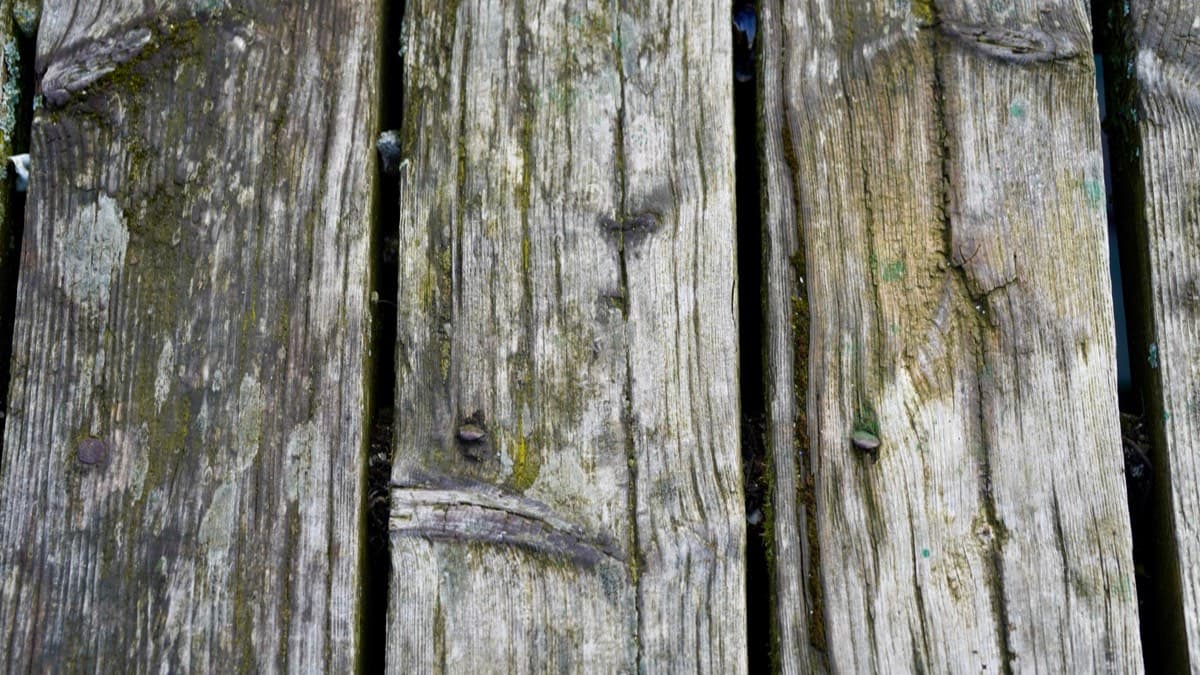
Look for an end tag, or another label or stamp, on the underside or the end of a board. It names the preservative. The builder may also know what was used.
Keeping exposure down
Chemical residues can leach out of CCA wood. How much, and how fast, depends on the climate, how acidic the rain and soil are and how old the wood is.
- Wash your hands and any exposed skin with soap and water after handling the wood or playing on it.
- Keep children from eating while they're on a CCA play set, since arsenic can pass from hands to mouth.
- Keep children and pets from playing in the soil under or beside a CCA deck or play set.
- Keep food and animal feed off CCA wood. Don't use it for cutting boards, counters, compost bins, beehives or containers for food or feed.
- Keep it away from anywhere it could touch drinking water.
In the garden
CCA wood doesn't belong where vegetables, fruits or herbs grow. If you have a vegetable planter built from it, put in a plastic liner before you fill it with soil. Never use CCA wood as mulch.
Cleaning and sealing it
- Don't sand or power wash CCA wood.
- Skip harsh cleaners such as bleach, sodium hydroxide, sodium percarbonate, oxalic acid and citric acid.
- Put an oil- or water-based penetrating stain or sealant on it regularly. It may reduce how much leaches out.
A deck of cedar, redwood or lumber treated after 2003 can be cleaned and finished the usual way, as Cleaning and finishing a wood deck describes.
When you saw, clean or handle it, work outdoors and wear goggles, gloves and a dust mask. Wash the clothes you wore separately. Never burn CCA or other treated wood at home, since the smoke and ash carry toxic chemicals. Old CCA lumber can usually go out with the regular trash. If you think working with it has made you ill, contact your doctor right away.
An annotated example
What to do next
Check the end of each board on the deck, the play set and any planter for a tag or stamp naming the preservative. If it's CCA, or built before 2004 and not cedar or redwood, stain or seal it regularly and line any vegetable planter with plastic. Keep food off the wood, have children wash after playing on it, and keep their play out of the soil around it.
Look after the old treated wood
- Check the deck and play set for a preservative end tag
- Put a penetrating stain or sealant on the old treated wood
- Put a plastic liner in any treated-wood vegetable planter
FAQ
How do I know if my deck is CCA-treated wood?
Look for an end tag or stamp on the underside or end of the boards. A deck built before 2004 that isn't cedar or redwood most likely is.
Should I take out an old CCA deck?
No. Wash hands after contact, keep food off it and seal it regularly with a penetrating stain or sealant.
Can I use old pressure-treated wood for a vegetable garden?
Not CCA wood. If a planter is already built from it, line it with plastic before you add soil.
Sources
Checked October 20, 2026
- U.S. Environmental Protection Agency. Chromated arsenicals (CCA) (2025)
- U.S. Consumer Product Safety Commission. CCA-pressure treated wood: guidance for outdoor wooden structures (Publication 270) (2011)
- Exterior
- Yard
- Owner
- Older home