How-to
Cleaning up after mice and rats
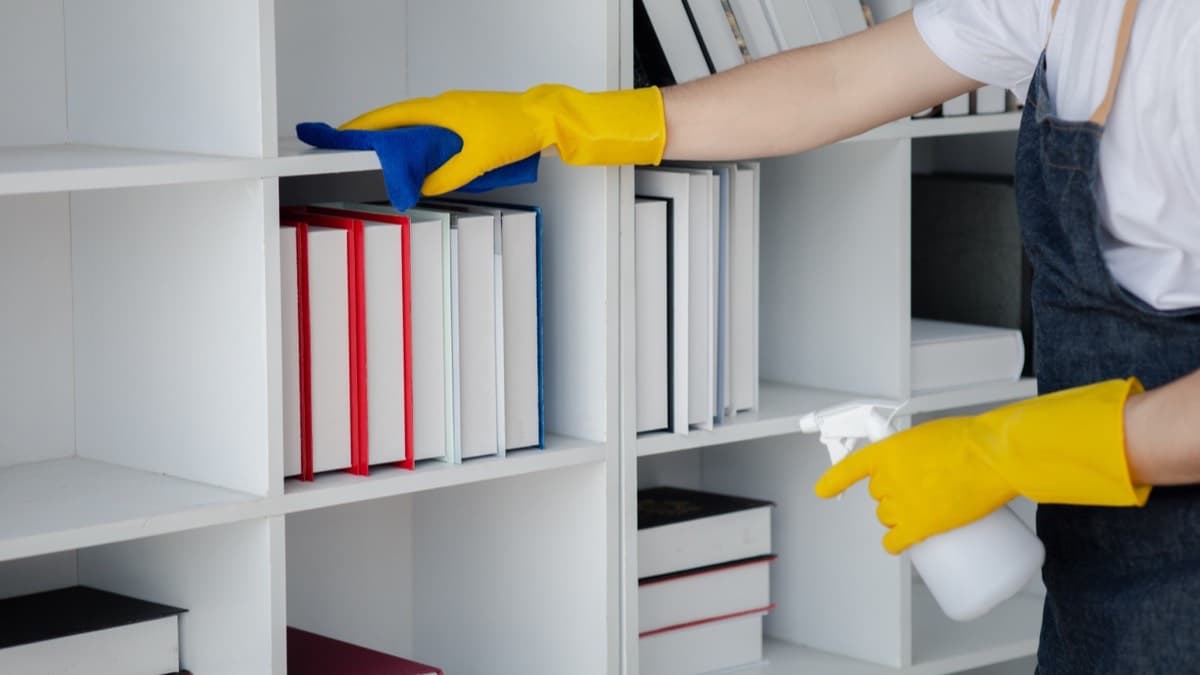
Air the space out first, soak droppings, nests and dead rodents in disinfectant before you touch them, and never sweep or vacuum them, since that puts the virus in the air.
Satisfy+ Editorial · Published September 28, 2026 · 4 min read · 1 hr to do
At a glance
- Before you start
- Open doors and windows for 30 minutes
- Never
- Sweep or vacuum droppings, urine or nests
- Disinfectant
- Soak for 5 minutes before wiping
- Bleach mix
- 1.5 cups of bleach in a gallon of water
Mice and rats spread disease mainly through the air. When fresh urine, droppings or nesting material from an infected rodent is stirred up, tiny droplets carrying the virus get into the air, and breathing them in is how most people get sick. Hantavirus, which deer mice carry in the United States, can cause a severe lung disease that can be deadly.
What you need
- Rubber or plastic gloves
- A household disinfectant with the word "disinfectant" on its label, or bleach and water
- A spray bottle and paper towels
- Plastic bags and a covered garbage can
- A mop or sponge
- Insect repellent, if there are dead rodents or nests
Steps
- 1
Air the space out
Open all the doors and windows for 30 minutes and leave the area while it airs out. This goes for a closed-up house, cabin, shed or garage.
30 min
- 2
Put on gloves and mix the bleach
Wear rubber or plastic gloves. Mix the bleach solution fresh if you're using it, 1.5 cups of household bleach in a gallon of water, or 1 part bleach to 9 parts water.
1 min
- 3
Soak the droppings and urine
Spray them until very wet and let them soak for 5 minutes, or as long as the disinfectant's label says. Don't sweep or vacuum first. If you already vacuumed, carry on with these steps.
5 min
- 4
Wipe up and throw away
Wipe up the droppings and the cleaner with paper towels, and put the towels in a covered garbage can that's emptied regularly.
5 min
- 5
Bag dead rodents and nests
Fleas are common on rodents, so put insect repellent on your clothing, shoes and hands first. Spray the rodent or nest and the area around it, let it soak for 5 minutes, then put it in a plastic bag with any used traps. Knot the bag, put it in a second bag, knot that one and put it in the covered garbage can.
10 min
- 6
Disinfect the hard surfaces
Mop or sponge the floors with disinfectant, and wipe down the countertops, cabinets and drawers. In a shed or barn with a dirt floor, spray the floor with disinfectant.
20 min
- 7
Wash your hands twice
Wash your gloved hands with soap and water or disinfectant, take the gloves off, then wash your hands with soap and warm water.
2 min
Clean up safely after mice or rats
- Open the shed for 30 minutes before cleaning it
- Wash bedding and clothes rodents got into in hot water
- Ask the mechanic to check the air intake for nests
Reusing a snap trap
Snap traps can be reused. Wearing rubber gloves, sink the trap with the rodent in a bucket of disinfectant for 5 minutes. Hold it over a plastic bag and lift the metal bar so the rodent drops in. Rinse the trap well so the disinfectant scent is gone, and let it dry completely. Double-bag the rodent the same way.
Everything else that was exposed
- Clothing, bedding and stuffed animals. Wash them in hot water with detergent, then machine dry on high or hang them in the sun.
- Carpets and upholstery. Shampoo them with a commercial disinfectant, or use a commercial-grade steam cleaner or shampoo.
- Books, papers and other things you can't wet. Leave them outdoors in sunlight for several hours, or in a rodent-free room for at least three weeks, and preferably six.
- Storage boxes. Move them outside to a sunny, well-ventilated spot and stand upwind while you sort them. Throw out cardboard boxes with urine or droppings on them. Plastic, glass and metal containers can be disinfected.
- Air ducts. If rodents have gotten into the heating and cooling ducts, that's a job for a professional rodent exterminating service.
A car, truck or camper
Rodents nest in vehicles, especially ones that aren't used often. Before starting one that's been sitting, open the hood, doors and trunk and let it air out for 20 minutes. Check the passenger compartment for nests and droppings, and soak anything you find in disinfectant for 5 minutes before picking it up with a paper towel. Don't use a vacuum or high-pressure sprayer on it until it's disinfected. Have a qualified mechanic check the air intakes and filters under the hood, since nests there come out along with the air filter.
A heavy infestation
A building with many rodents, a vacant house overrun by them, or one where the rodents are known to carry disease needs more than gloves. That job calls for coveralls, rubber boots, goggles and a respirator with a HEPA filter. Your local health department can advise on your situation.
If you get sick afterward
Symptoms of hantavirus pulmonary syndrome usually start 1 to 8 weeks after contact with an infected rodent. Early ones are fatigue, fever and muscle aches, especially in the thighs, hips and back, and they're easily mistaken for the flu. If you suspect hantavirus, see a doctor right away and mention the rodent exposure. Keeping mice out when the weather turns covers sealing the house and trapping.
FAQ
Can I vacuum mouse droppings?
No. Vacuuming or sweeping droppings, urine or nests can put tiny droplets carrying viruses into the air. Soak them in disinfectant and wipe them up with paper towels.
What should I use to clean up mouse droppings?
A household disinfectant, or a fresh mix of 1.5 cups of bleach in a gallon of water. Soak the droppings for 5 minutes before wiping them up.
How do I get rid of a dead mouse safely?
Wear gloves, spray it with disinfectant, let it soak for 5 minutes, then double-bag it and put it in a covered garbage can.
Sources
Checked October 20, 2026
- Centers for Disease Control and Prevention. How to clean up after rodents (2024)
- Centers for Disease Control and Prevention. Hantavirus prevention (2024)
- Centers for Disease Control and Prevention. About hantavirus (2024)
- Living
- Owner
- Beginner
- Tenant
- DIY