Guide
Pest control with fewer pesticides
Identify the pest, take away the water, food and shelter it needs, try traps and other non-chemical controls first, and use a pesticide only by its label.
Satisfy+ Editorial · Published September 1, 2026 · 4 min read
At a glance
- First step
- Identify the pest
- Best control
- Take away water, food and shelter
- Keep mulch
- At least 18 inches from the house
- A pesticide
- Only by its label, never more
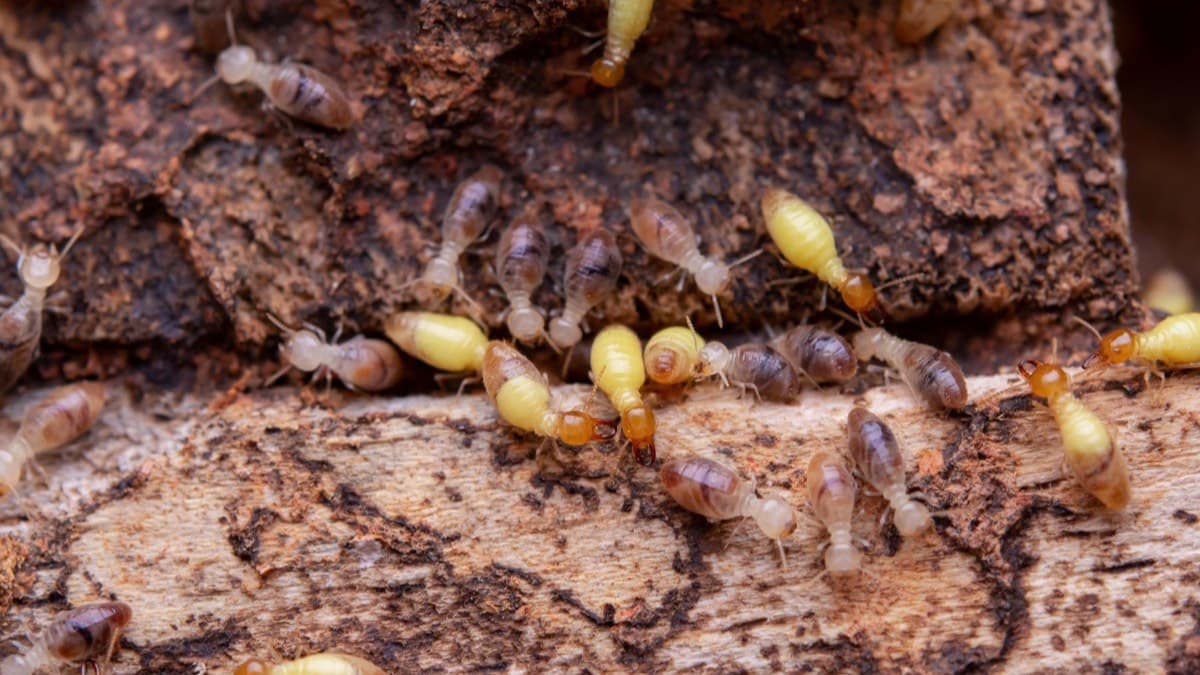
Cockroaches, ants, fleas, mice, termites and mold are common in houses and apartments, and weeds, aphids and grubs get into lawns and gardens. For many pests, getting rid of every one is almost impossible, but keeping them under control is not. The approach that tends to work best, called integrated pest management, combines methods and puts prevention first. It controls the damage at the lowest cost and with the least hazard to people, pets and property.
Non-chemical methods generally work for longer than chemical treatments and are less likely to breed pests that resist pesticides. Pesticide results are usually temporary, treatments often have to be repeated, and using pesticides in and around the home is one of the greatest sources of people's exposure to them.
Start with four steps
- Identify the pest. It's the most important step. Some pests are obvious, but what looks like a plant disease can be poor soil or too little water. Your county's Cooperative Extension Service, a local nursery and state university websites can help identify it for free.
- Decide how much control you need. Insisting on no pests at all leads to more, and more hazardous, chemical treatments than necessary. Ask whether the lawn has to be weed-free, whether some blemished vegetables are fine, and whether anyone at home is sensitive to chemicals.
- Choose a method. Use prevention first, then non-chemical controls, and a pesticide last.
- Check the results. Give a method time to work, then compare the pests before and after.
Take away what pests need
Pests are looking for water, food and shelter.
- Water. Fix leaky plumbing, and don't leave water standing in houseplant trays, under the refrigerator or in buckets overnight. Dry out or remove wet and water-damaged materials. Even damp air draws pests.
- Food. Keep food in sealed glass or plastic containers, and keep the kitchen free of grease. Don't leave pet food out for long. Use tightly covered trash cans, and empty them often.
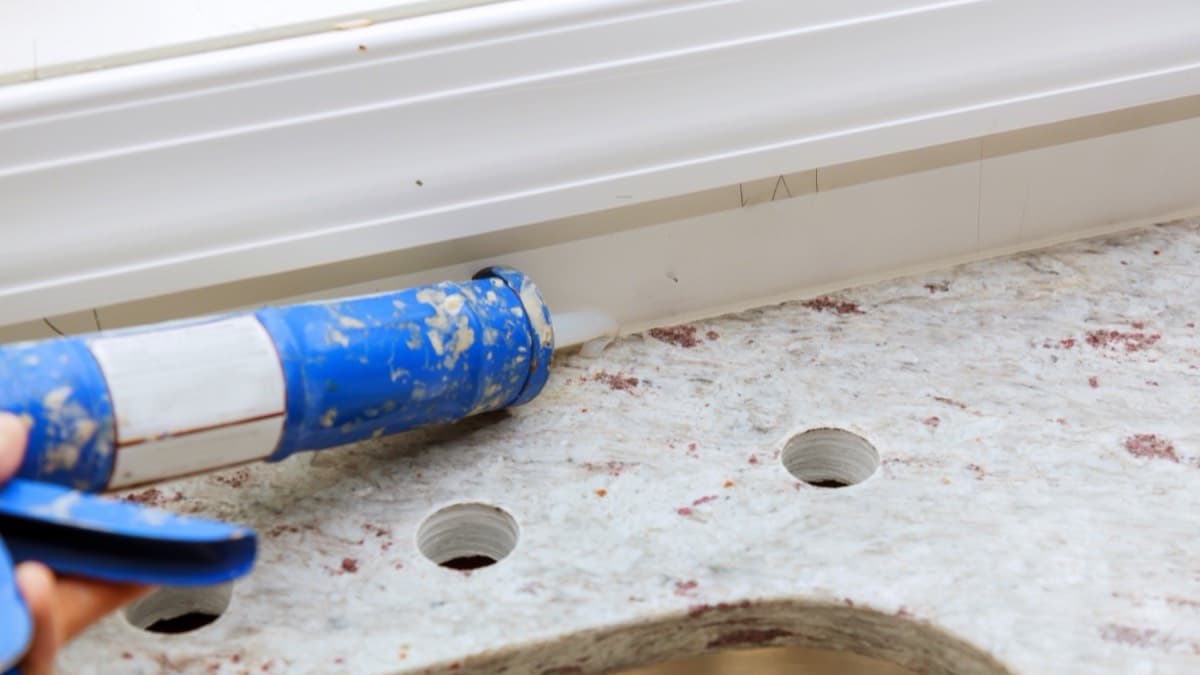
- Hiding places. Caulk cracks and crevices. Don't keep stacks of newspapers, paper bags and boxes for long, and check packages for pests before bringing them in.
- Ways in. Put screens on windows, doors and floor drains. Weatherstrip doors and windows, seal openings in walls, and keep doors shut.
Outside the house
- Move woodpiles away from the house, where they draw termites and carpenter ants.
- Keep plants, shrubs and wood mulch at least 18 inches from the house.
- Rake fallen leaves, and clear away fallen fruit, prunings and diseased plants.
- Pick up pet droppings, litter and garbage.
- Drain standing puddles, and make sure downspouts and other water drain away from the house.
- Keep plants healthy. Healthy plants resist pests better than weak ones.
Controls without chemicals
- Natural predators. Birds, bats, spiders, centipedes, ground beetles and lady beetles eat insects. Lady beetles and their larvae eat aphids, mealybugs, whiteflies and mites.
- By hand. Pull weeds, pick pests off plants, use a flyswatter, and hoe or mulch to keep weeds down.
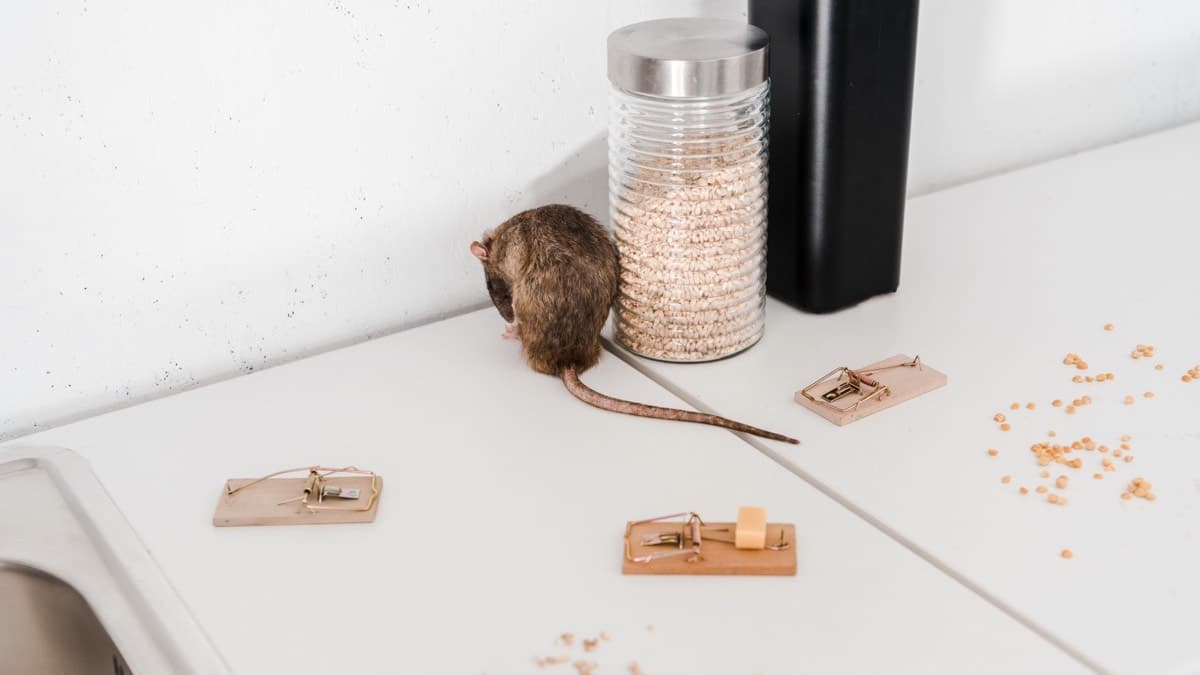
- Traps. Set traps for mice, rats and some insects. Pheromone traps lure insects inside.
Results from these may not be immediate, and they work best when you keep pests from getting in.
If you use a pesticide
- Read the whole label first, and follow it exactly. Twice the amount won't do twice the job.
- Wear the protective clothing the label lists. If it lists none, wear gloves, long sleeves, long pants and closed shoes.
- Mix it outdoors or in a well-ventilated place, and mix only what you need for one use. Never use kitchen measuring cups or spoons.
- Keep children, pets and toys away from the area for at least as long as the label says.
- Indoors, use pesticides only when absolutely necessary, and only in small amounts. Spray cracks, not whole floors or walls.
- Outdoors, don't spray on a day with wind over 10 mph, near a wellhead or on blooming plants with bees around. Close the house's doors and windows first.
- Never put insect or rodent bait where small children or pets can reach it.
- Keep pesticides in their original containers, never in a soda or milk bottle. How to store and get rid of household chemicals covers where to keep them.
- Wash your hands after use, and wash exposed clothes separately.
If someone swallows or is exposed to a pesticide, call Poison Control at 1-800-222-1222.
An annotated example
What to do next
Find out what the pest is before treating anything. Fix leaks, seal up food and trash, and caulk the gaps pests use to get in. Outside, move woodpiles away and keep mulch 18 inches from the walls. Try traps and other non-chemical controls before a pesticide, and if you use one, follow its label to the letter. Keeping mice out when the weather turns covers mice in detail.
Keep pests out with fewer chemicals
- Fix the leaks and empty the standing water pests drink from
- Move woodpiles and mulch away from the house
- Seal the cracks and gaps where pests get in
FAQ
What is integrated pest management?
An approach that combines several pest controls and puts prevention first, managing pests at the lowest cost and with the least hazard to people, property and the environment.
How can I get rid of pests without pesticides?
Take away the water, food and shelter they need, seal the ways in, and use traps, hand-picking and natural predators.
Does using more pesticide work better?
No. Twice the amount won't do twice the job, and it can harm you, others or what you're trying to protect.
Sources
Checked October 20, 2026
- U.S. Environmental Protection Agency. Citizen's guide to pest control and pesticide safety (EPA 735-K-04-002) (2005)
- Owner
- Pests
- Beginner
- Tenant
- DIY